
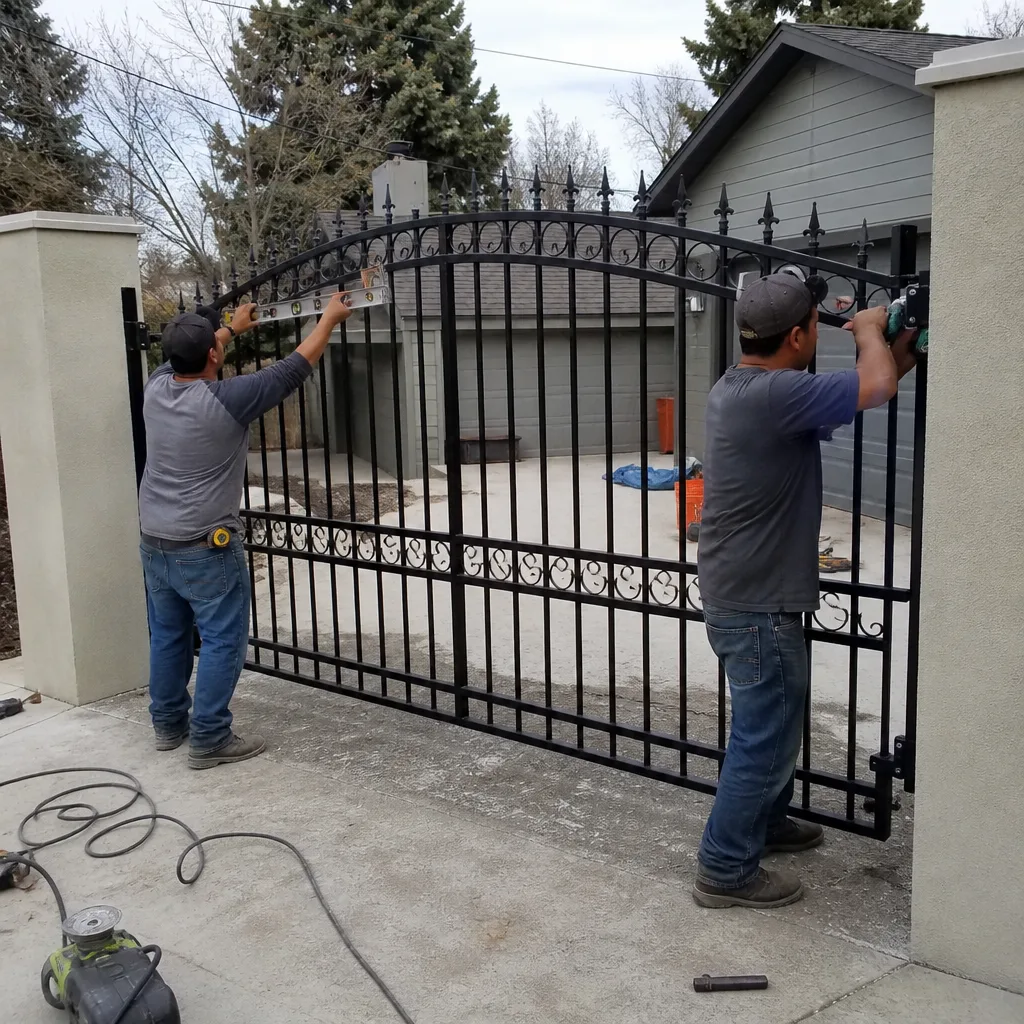
Last updated November 15, 2026
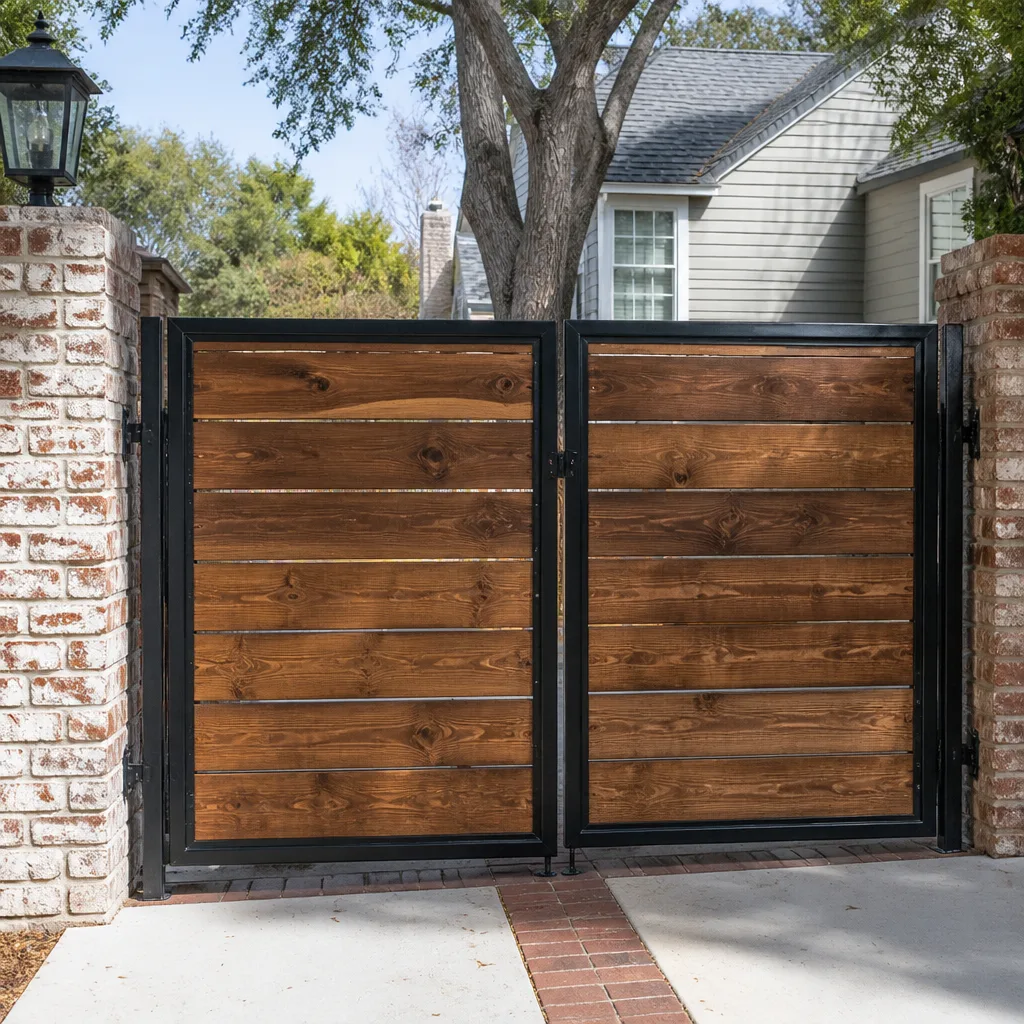 Wood & steel frame
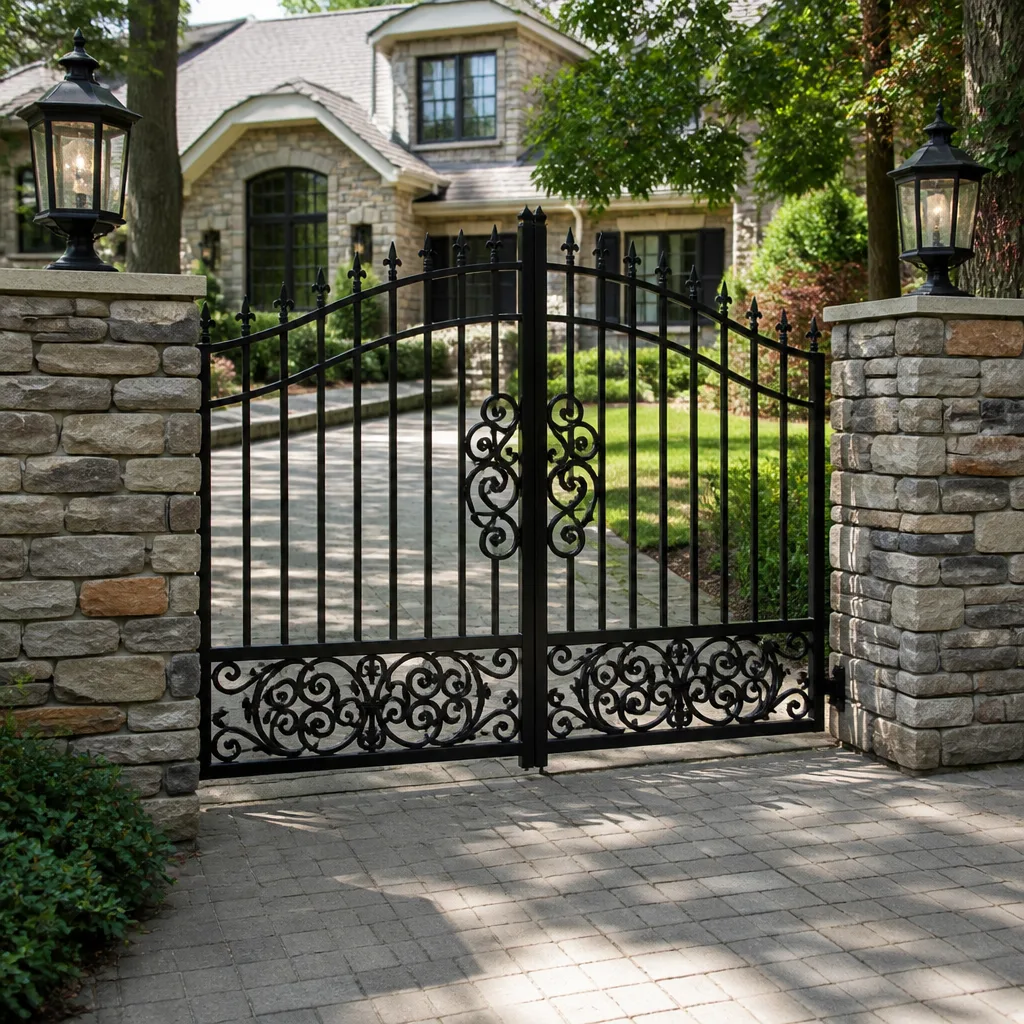 Wrought iron
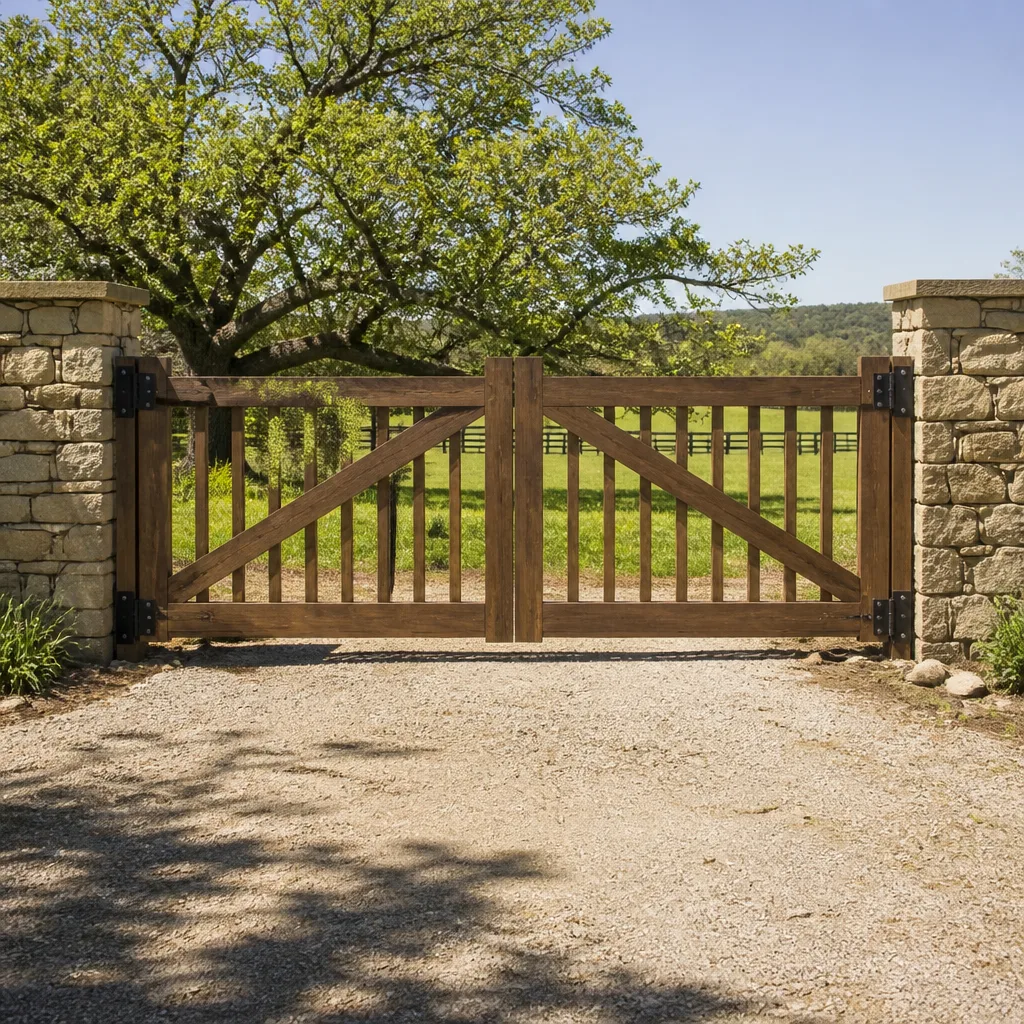 Farm & ranch
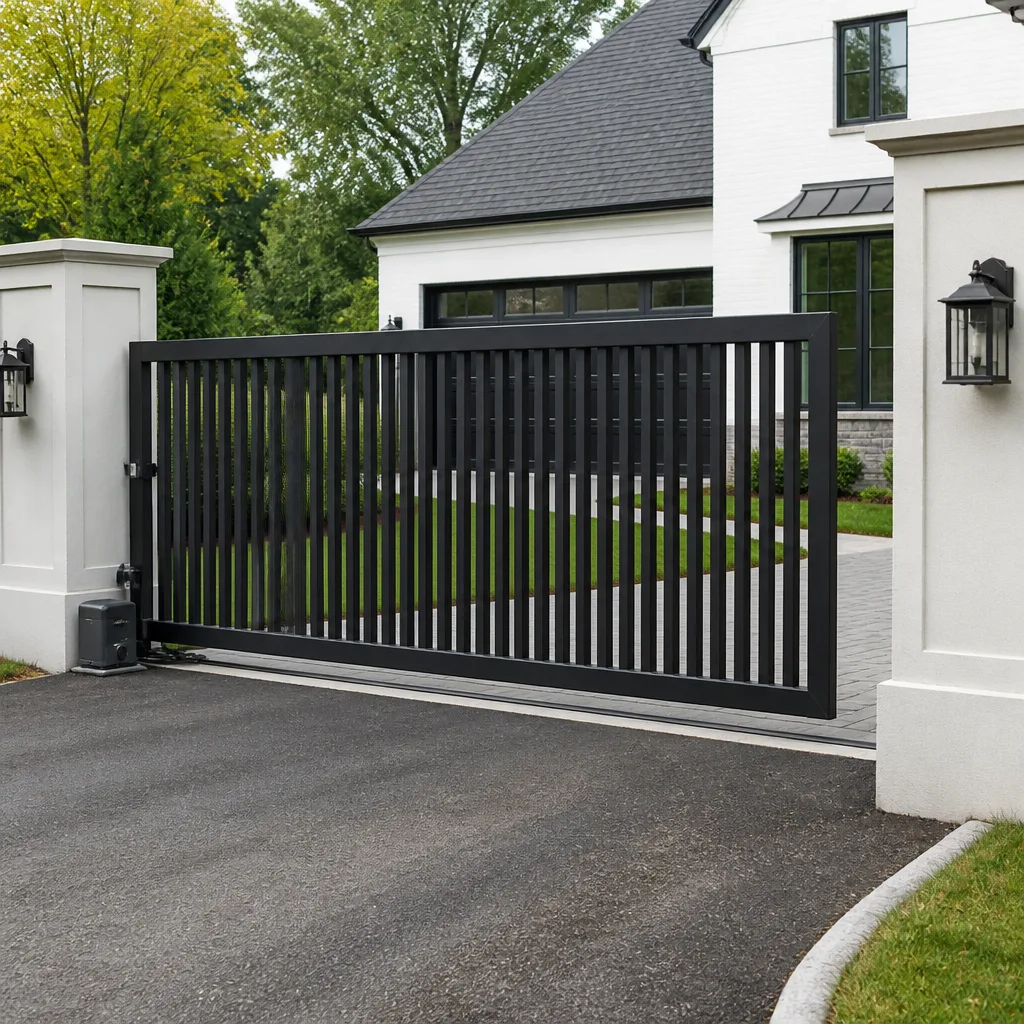 Sliding driveway gates
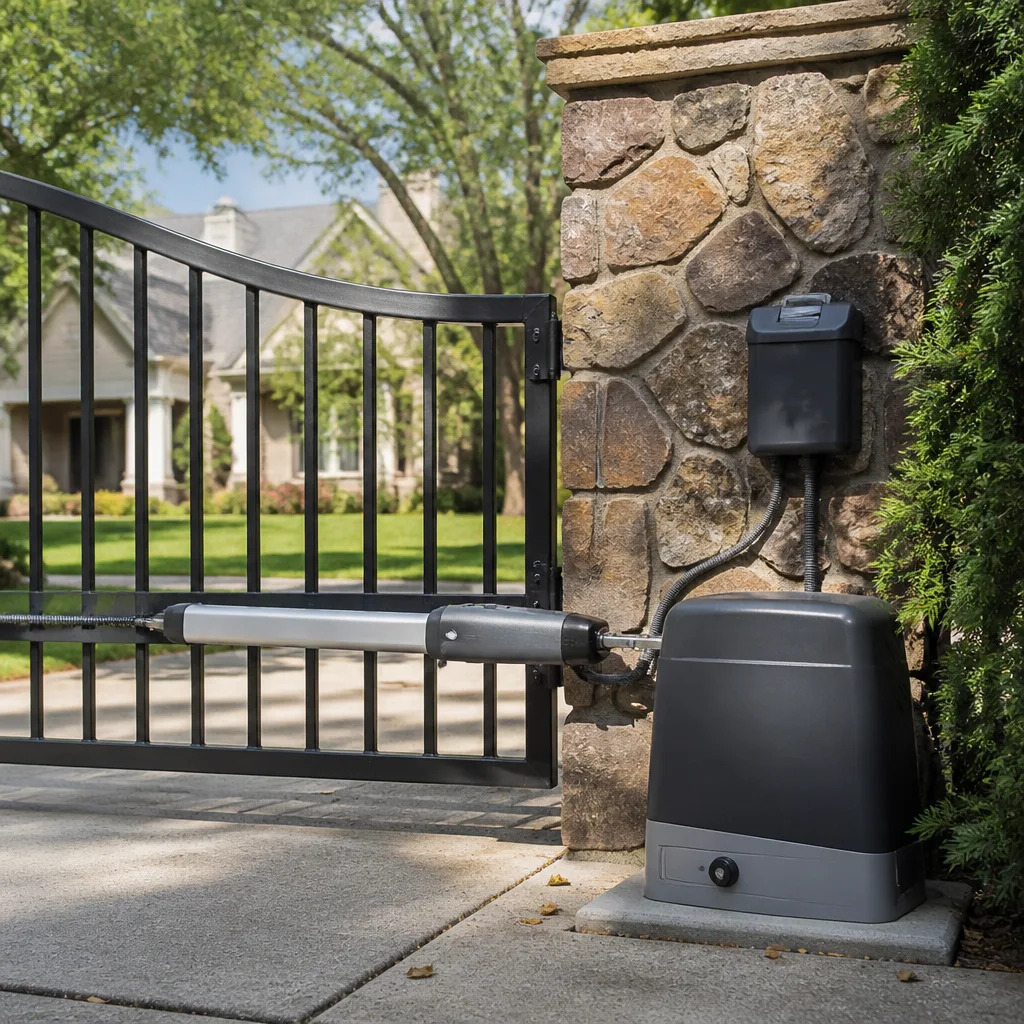 LiftMaster operators
Free on-site gate assessment - hinges, posts, and your LiftMaster or Nice gate operator checked before anything is quoted
The assessment is free and the quote is the invoice.
Get your free estimateChoosing the Right Gate Repair Brand: A Buyer’s Guide for Lakewood
Most gate failures we see in Lakewood have nothing to do with the brand on the box. They come from an operator that was never rated for the job it was given: the wrong duty cycle, the wrong enclosure rating, the wrong temperature range for a Colorado front range winter. A well-known name bolted to a gate it was never designed to move will fail on schedule, and the homeowner ends up blaming the brand instead of the sizing. In this guide we’ll walk through how to spec an operator before you shop, which types hold up across Lakewood’s temperature swings, what parts availability really means for repair time, and the brand-agnostic questions that matter more than any logo.
Quick Answer
Choose a gate operator brand by matching its duty cycle, temperature rating, enclosure rating, and local parts availability to your specific gate, not by reputation alone. In Lakewood, that means an operator rated for heavy daily cycles, cold-rated for subzero mornings, UL 325 compliant, and supported by parts you can actually get. The right brand is simply the one whose spec sheet fits your gate’s weight, travel, and usage.
Styles & brands we work with
- Wrought iron
- Wood & steel frame
- Farm & ranch
- Sliding driveway gates
- LiftMaster operators
Table of Contents
- Why Duty Cycle Comes Before Brand
- Which Operator Types Handle Lakewood’s Temperature Swings
- The Parts Availability Reality Check
- Brand-Agnostic Questions to Ask About Any Operator
- When the Cheapest Operator That Meets Spec Is Right
- What the Major Brands Do Well
- Common Mistakes to Avoid
- When to Call a Professional
Why Duty Cycle Comes Before Brand
A residential-rated operator installed on a gate that cycles 40 or more times a day will wear out in roughly 18 months no matter whose name is on it. Duty cycle is the number of open-and-close cycles an operator is rated to handle per day, and it’s the first spec you should look at, before brand, before price, before anything else. Most homeowners have never been asked about it, and that’s exactly why so many operators fail early.
Duty cycle falls into a few rough tiers. Light-duty residential operators are built for a handful of cycles a day. Medium-duty handles a busier household or a small shared driveway. Heavy-duty and commercial-rated operators run continuously all day. Slide an operator up one tier and it lasts dramatically longer. Slide it down and you’re buying a replacement on a predictable schedule.
To figure out what you actually need, count cycles before you shop:
- Count how many times the gate opens and closes on a typical day. One open plus one close is two cycles, so a gate used ten times a day is 20 cycles.
- Weigh the gate, or read the weight off the fabrication tag. Heavier gates demand more torque and more cycle capacity.
- Note the travel distance. A long slide creates more wear per cycle than a short swing.
- Add the seasonal factor. A gate that moves freely in July can labor in January, and a laboring operator burns through its rated life faster.
- Multiply opens per day by gate weight and compare that to the operator’s rated spec. That product gives you a floor for the operator you should be looking at.
Once you have those numbers, the brand conversation gets much shorter. You’re no longer picking a name, you’re picking the model that meets the floor. This is where a dedicated Lakewood Gate Repair specialist earns their keep; we look at the gate and the usage first, then recommend a brand that fits the spec.
Which Operator Types Handle Lakewood’s Temperature Swings
Lakewood sits at the base of the foothills, and the temperature range here runs roughly from -10°F on a cold January morning to 100°F in July. That wide swing is brutal on operator components, and not every operator type handles it the same way. Hydraulic operators, in particular, have a specific cold-weather limitation: hydraulic fluid thickens as it gets colder, which slows response time and puts extra load on the motor on the first cold cycles of the day.
Swing and slide operators handle the temperature differently. Electromechanical operators with grease or gear-driven systems tend to hold up well across the range because there’s no fluid to thicken, though the grease has to be rated for low temperatures too. Linear-arm and articulated-arm operators on swing gates handle cold mornings fine if the grease is right. Slide operators are more sensitive to debris and frost in the track, so the enclosure and the drive system matter more than the brand name printed on them.
Here’s what we look at when matching an operator to the local climate:
- Temperature rating on the spec sheet. Many operators are rated down to -10°F or -20°F. If yours isn’t, it will struggle on the coldest mornings.
- Fluid vs. grease vs. gear. Hydraulic systems have cold-start limitations that electromechanical systems don’t.
- Enclosure rating. The control board needs protection from both summer heat and winter moisture, so a sealed NEMA-rated enclosure is non-negotiable here.
- Frost and drainage at the ground. A slide gate on a track that fills with ice and debris will drag and trip the operator’s overload protection regardless of brand.
We’ve watched operators that work beautifully in milder climates fail on the first subzero Lakewood morning because the fluid was never rated for it. Climate is part of the design spec, not an afterthought.
The Parts Availability Reality Check
Here’s the part most brand comparisons skip: when your operator fails, will the replacement part be on the shelf or on a two-week truck? For a residential gate, a two-week wait is annoying. For a property manager with a shared driveway or a gated parking area, two weeks of manual gate operation is a daily operational headache.
Parts availability varies widely across brands. Mass-market brands like Mighty Mule and Ghost Controls have wide retail reach, so common components are often easy to source. Professional-tier brands like FAAC, BFT, DoorKing, and Viking have a narrower distribution chain. The parts are excellent, but they may need to come through a dealer, which can add lead time for less common components. That’s not a knock on those brands. It’s a fact that should shape your expectations and, if uptime is critical, your choice.
Before you commit to a brand, ask a repair specialist three things:
- Are the common failure parts (control board, motor, limit switches, safety sensors, arm or drive components) stocked locally, or do they ship in?
- What’s the typical lead time when a part isn’t on the shelf?
- Are there equivalent aftermarket or compatible parts, or is the whole system locked to one supplier?
We work on all nine of the brands we service and we’ve learned which ones get you back to a working gate fastest in this area. If uptime matters most, that answer should weigh as heavily as brand reputation.
Brand-Agnostic Questions to Ask About Any Operator
Before you compare one brand against another, ask the questions that apply to every operator on the market. These are the specs that determine whether a system lasts across Colorado’s seasons and meets safety standards, regardless of whose label it carries.
- NEMA rating for the control board enclosure. The NEMA rating describes how well the enclosure protects the board from weather and debris. Ask what it is and whether it matches your exposure. A board that isn’t sealed against moisture will fail on the first hard swing of weather.
- UL 325 compliance for entrapment protection. UL 325 is the safety standard that covers automatic gate operators and entrapment protection. Ask whether the operator is compliant and what entrapped-safety provisions it uses: photo-eye sensors, reversing edges, or both.
- Duty cycle rating expressed as cycles per day, and whether it matches your actual usage.
- Temperature rating down to the coldest morning you’ll actually see.
- Warranty labor-versus-parts split. Many warranties cover parts only, so replacement parts arrive free but you still pay the labor to install them. Ask how the split works before you buy, because a warranty that only covers parts can cost more than it saves.
- Access control and remote compatibility. If you want remotes, keypads, or phone access, ask whether those add-ons work with the brand and whether they’re standard or optional.
These questions apply equally to a Mighty Mule and a FAAC. A brand that answers all six well is a brand worth considering, no matter how many homes have one.
When the Cheapest Operator That Meets Spec Is Right
Once you’ve matched duty cycle, temperature rating, enclosure rating, and UL 325 compliance to your gate, the cheapest operator that clears every bar is usually the right call. Paying extra for a name doesn’t extend the life of an operator that already exceeds your spec. It just costs more up front.
There are real cases where paying a premium is justified. Reach for a heavier-duty brand when:
- Usage is genuinely high. A shared driveway, a commercial property, or a gate that cycles dozens of times a day needs a duty rating that budget operators simply don’t offer.
- Uptime is critical. A property manager who can’t tolerate a multi-week repair wait may prefer a brand with strong local parts support, even at a higher price.
- Access control is central. If the gate needs to integrate with keypads, intercoms, or phone-based entry, professional-tier brands often handle integration more cleanly.
- The gate is heavy or unusually large. A big sliding gate demands torque and duty ratings that entry-level residential operators can’t honestly claim.
Conversely, for a single-family home with a short swing gate used a handful of times a day, a well-specified budget operator will outlast a premium one that was oversized and overpriced for the application. The right call is the spec that fits, not the logo that costs the most.
What the Major Brands Do Well
We repair and install all nine of the major gate brands we service, and each has a place. Knowing what each is good for helps you match the brand to the job instead of the job to the brand.
Professional-tier systems like FAAC and BFT are built for heavier usage and commercial-grade reliability, and they’re common on shared driveways and property-managed gates around Lakewood. Linear and Viking sit in a versatile middle tier that handles residential and light-commercial work well. Mass-market brands like Mighty Mule and Ghost Controls make sense for straightforward residential gates where parts are easy to source and the spec matches a lighter duty cycle. LiftMaster, DoorKing, and Elite round out the roster.
The important point is that brand is a tool for matching spec to application, not a ranking. A Linear that fits the gate perfectly is a better choice than a FAAC that’s overkill for a backyard swing. When you’re choosing, ask a specialist which brand actually fits your gate’s weight, travel, and cycles, and let the answer guide you.
Common Mistakes to Avoid
- Buying on reputation alone. A famous brand that doesn’t meet your duty cycle will still fail early. Match the spec sheet to your usage before you fall for a name.
- Ignoring the temperature rating. Lakewood’s subzero mornings expose operators that aren’t rated for cold. Ask what happens on the coldest day of the year, not the warmest.
- Skipping the UL 325 conversation. Entrapment protection is a safety issue, not a checkbox. Make sure the operator is compliant and that sensors or reversing edges are in place.
- Assuming the warranty covers it all. Parts-only warranties can be expensive in labor. Ask how the split works before you buy.
- Never asking about parts lead time. A brand whose common parts ship in two weeks may leave you operating the gate by hand longer than you expect.
- Letting a generalist size the operator. A handyman who “also does gates” won’t necessarily know the difference between a light-duty and a heavy-duty model, and that gap is where early failures come from.
- Overpaying for overkill. A premium operator on a lightly used residential gate wastes money without a real uptime benefit.
When to Call a Professional
Call a gate specialist when the operator has failed and you’re not sure why, when the gate is electric and the wiring or safety sensors are in play, or when you’re buying your first operator and need help sizing it. Call when the gate has started dragging, reversing on its own, or stopping partway through a cycle, since those symptoms can point to motor, control board, or safety-sensor problems that need a trained eye. Call when a property manager needs a working gate back without a long parts wait.
Electric gate work involves power wiring and entrapment safety, so it’s not a job to diagnose by trial and error. Lakewood Gate Repair offers free estimates in Lakewood; call (866) 330-9331 to get an on-site estimate and a written price before any work starts.
See the difference
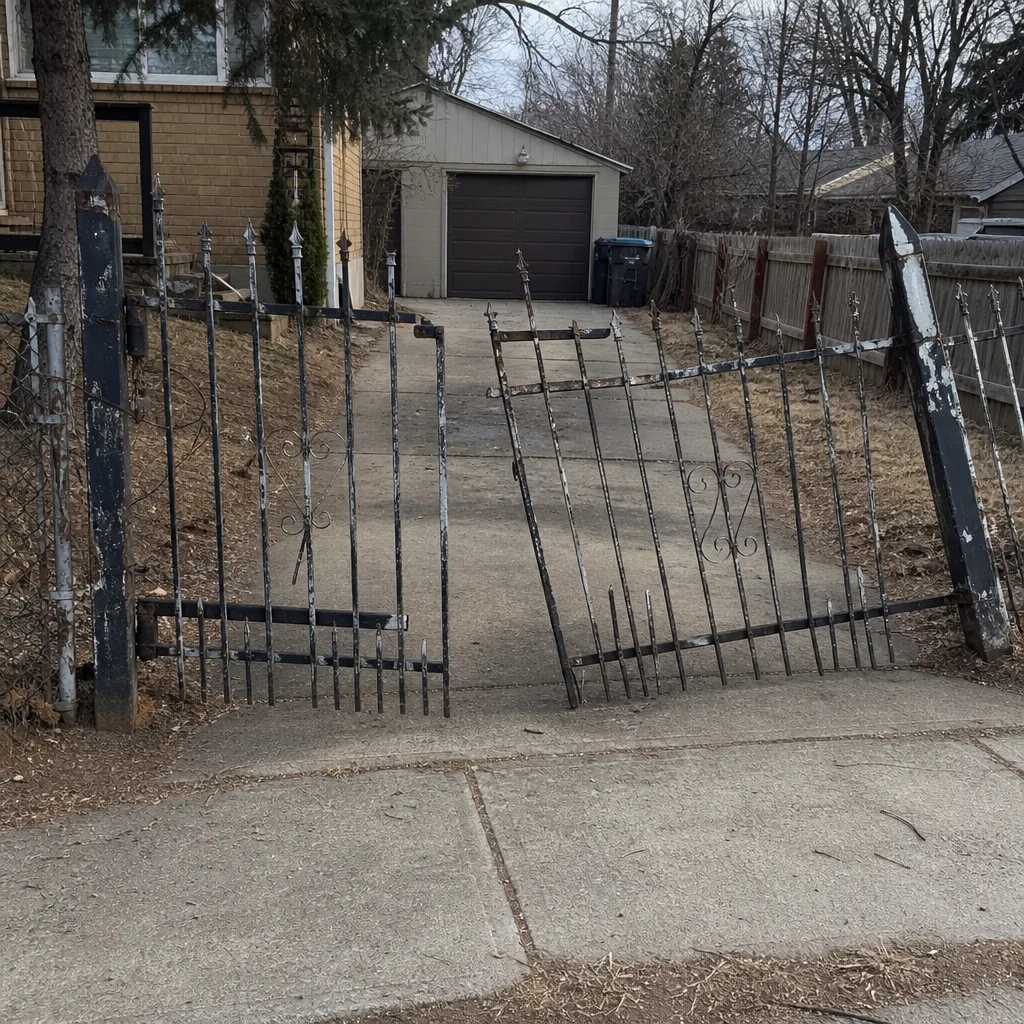 Before
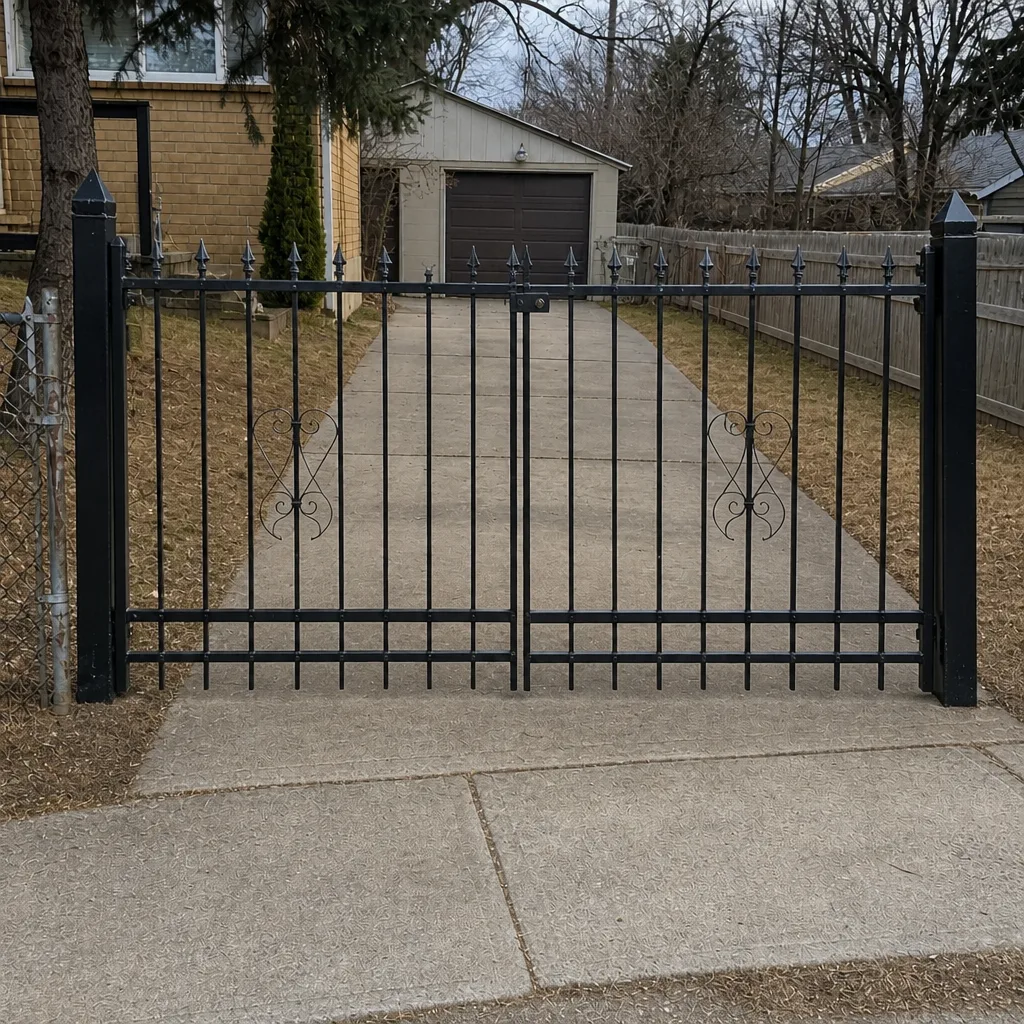 After
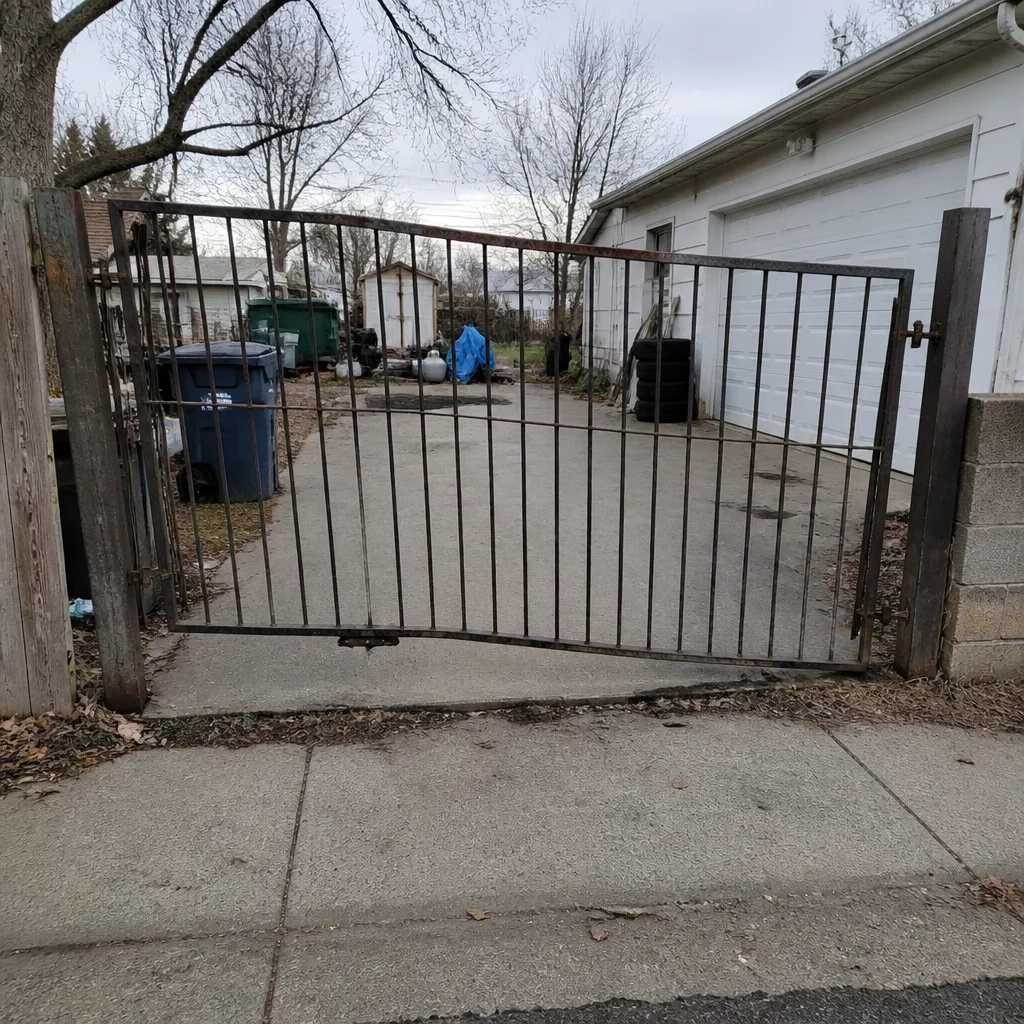 Before
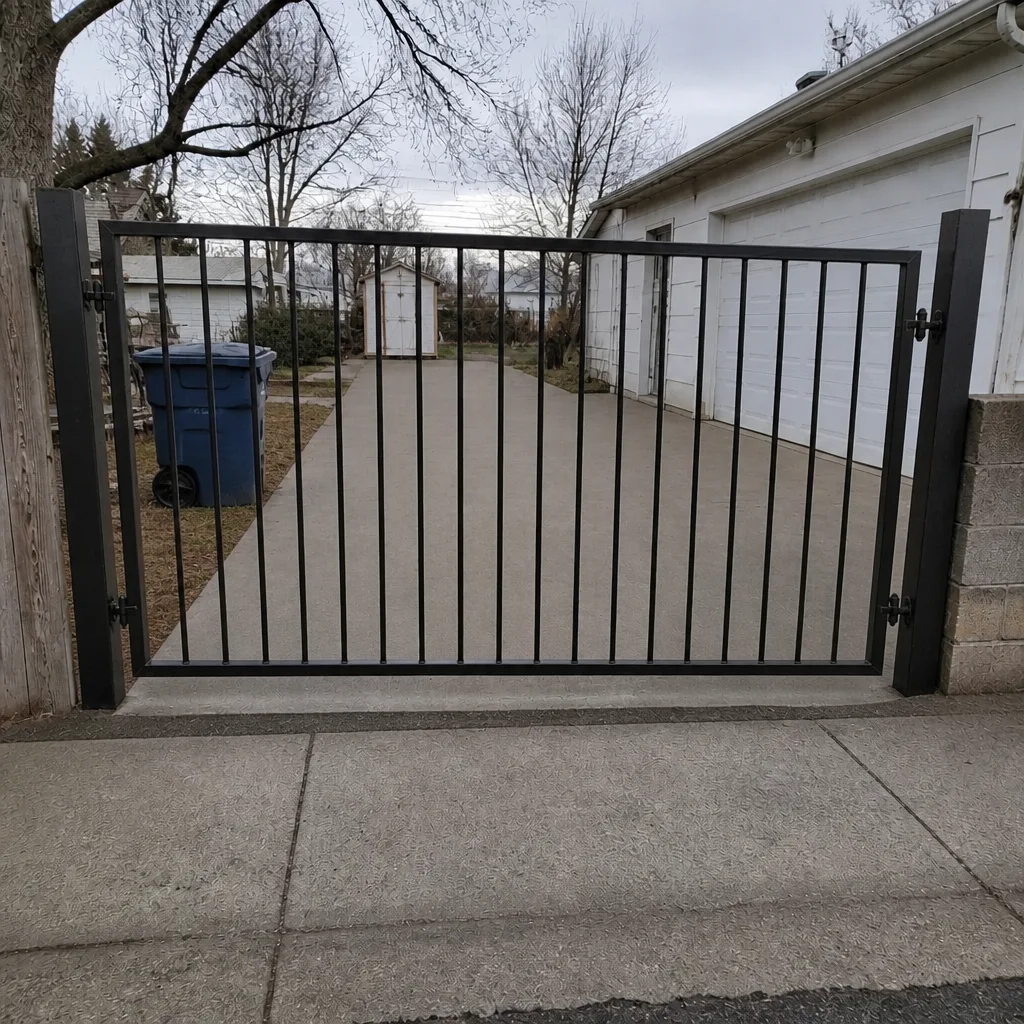 After
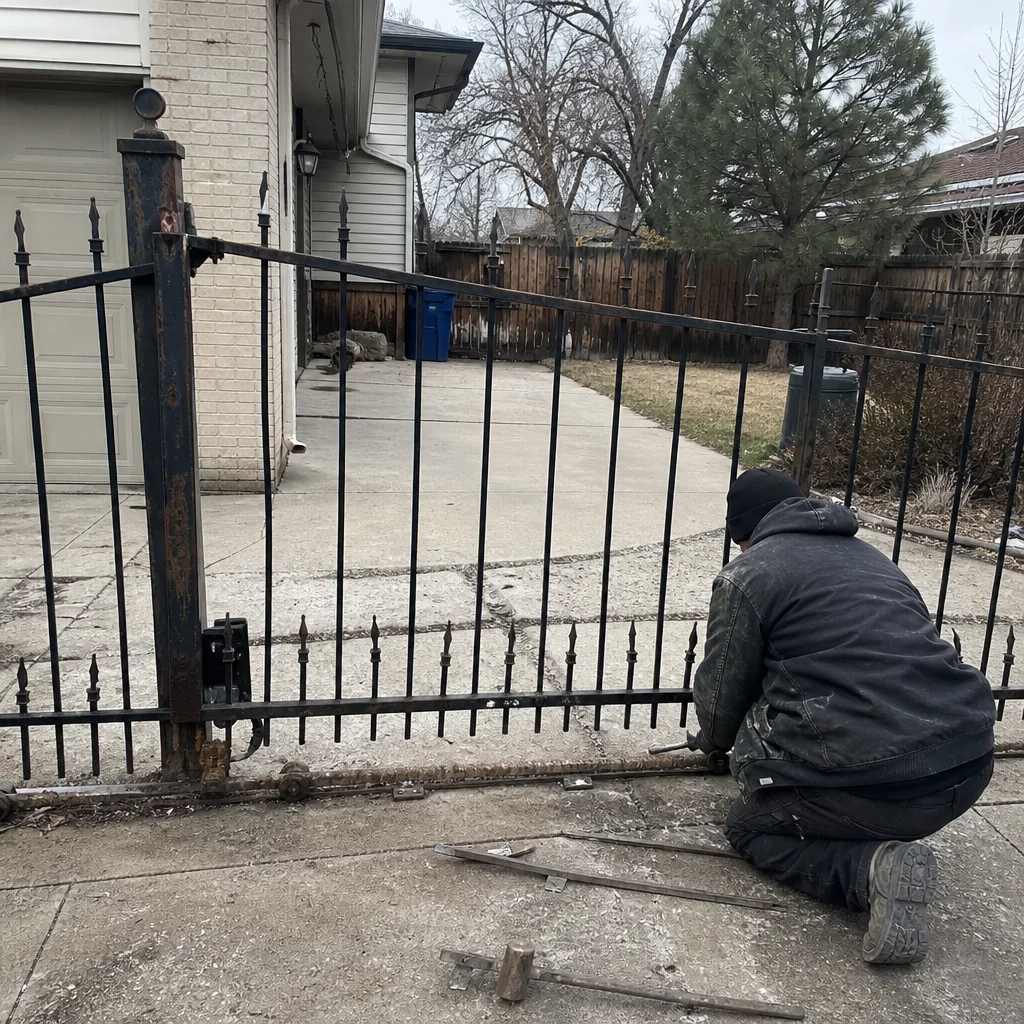 Before
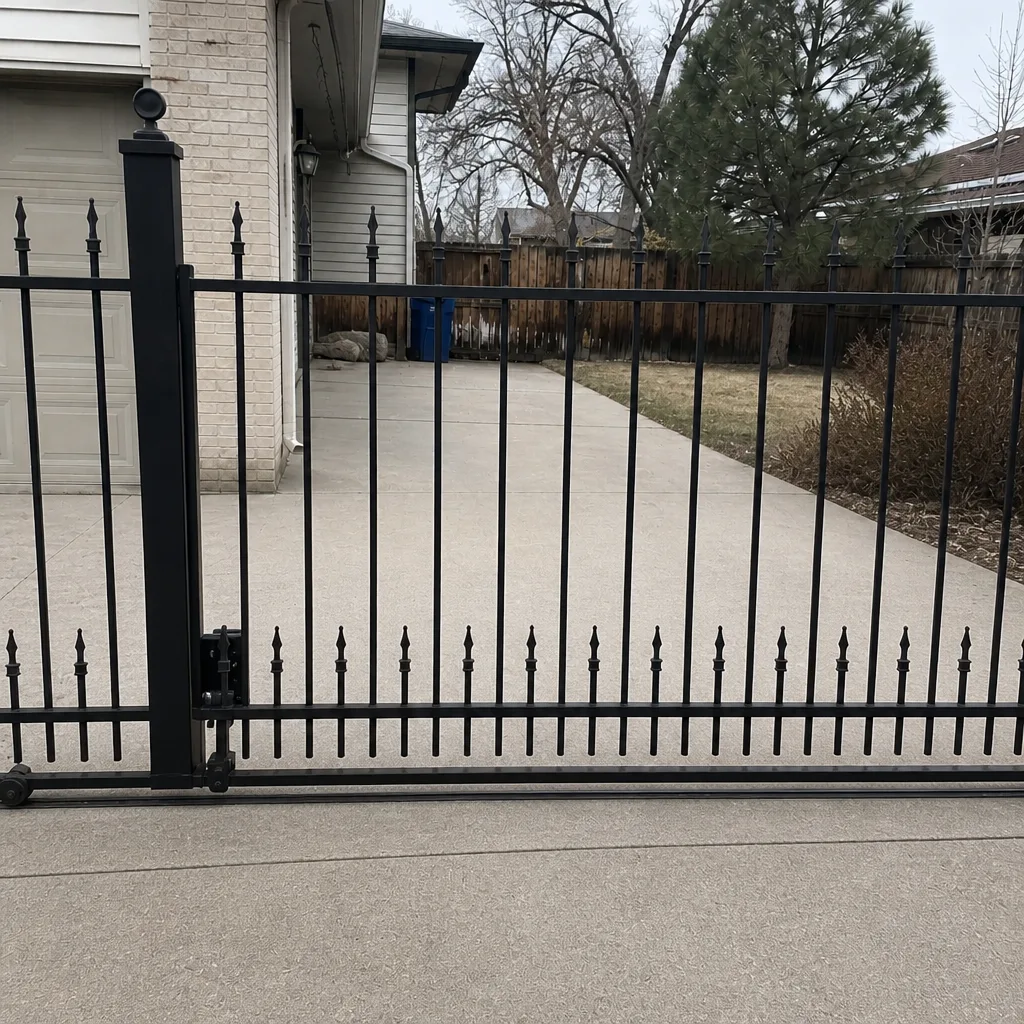 After
Frequently Asked Questions
There’s no single best brand; the best operator is the one whose duty cycle, temperature rating, enclosure rating, and parts availability fit your specific gate. For a typical residential swing gate, a well-specified budget or mid-tier brand is often the right call. For heavier usage or property-managed gates, professional-tier brands like FAAC or BFT tend to fit better. Call (866) 330-9331 for an exact recommendation based on your gate, and estimates are free.
Multiply your gate’s opens per day by its weight to get a floor, then compare that to the operator’s rated cycles-per-day spec. Count one open plus one close as two cycles, so a gate used ten times a day is 20 cycles. Weigh the gate and note its travel distance, then choose an operator rated above that floor. Call (866) 330-9331 and we can help you work through the numbers for your gate.
Yes, hydraulic operators can struggle in cold weather because the fluid thickens, which slows response time and loads the motor on the first cold cycles. Electromechanical operators avoid that specific problem. What matters most is the operator’s rated temperature range; many are rated down to -10°F or lower. Ask your repair specialist whether the operator is rated for Lakewood’s coldest mornings before you buy.
UL 325 is the safety standard that governs automatic gate operators and entrapment protection, and it’s the standard to look for when you buy. Compliance means the operator meets recognized safety requirements and includes entrapment protection like photo-eye sensors or reversing edges. Ask the installer to confirm compliance and explain how the safety features are wired. Call (866) 330-9331 if you want a specialist to walk you through the safety side of any operator.
Parts availability decides how fast you’re back to an automatic gate; professional-tier brands may need to ship uncommon components in from a dealer, which can add one to two weeks, while mass-market brands often have easily sourced parts. If uptime is critical, choose a brand with strong local parts support. We work on all nine of the brands we service and can tell you which ones get you running fastest in this area.
Most general handymen decline electric gate work because it involves operator wiring, control boards, safety sensors, and access control, which are a specialist’s job. A dedicated gate technician understands entrapment safety, UL 325 compliance, and how to size the operator to your gate. Electric electric gate repair is what we do, and it’s worth choosing someone who does nothing else. Call (866) 330-9331 for a free estimate.
The Bottom Line
Brand reputation is the least useful variable when you’re choosing a gate operator for a Lakewood property. The right brand is the one that matches your gate’s weight, travel distance, usage, and the local temperature range, with an enclosure that keeps the control board alive and parts you can actually get. Size the duty cycle first, check the temperature and enclosure ratings, confirm UL 325 compliance, and ask about parts lead time before you commit. Once you’ve done that, whatever brand clears the bar will last. That’s the whole method, and it works on every gate we service in Lakewood.
Where to Start Your Gate Project in Lakewood
Whether you’re sizing your first operator or replacing one that failed too soon, a dedicated gate specialist makes the choice simpler. We work on your brand from the motor to the hinge, covering both residential systems and professional-grade operators, and we can measure your gate and put the exact spec in writing before anything is ordered. We answer 24/7. Fast dispatch from 7am to 7pm, Sunday through Friday.
New installation, electric gate repair, and ongoing maintenance are all handled by the same specialist team, so you won’t have to find a second contractor as your needs change. Take a moment to look at how we handle Lakewood properties and what to expect when you call. For a free estimate and a written price, call (866) 330-9331. We’ll match the operator to your gate, not the other way around.
Our technicians have up to 12 years of experience on gates across the Lakewood area, and we’re fluent in LiftMaster, FAAC, BFT, Linear, Viking, Ghost Controls, DoorKing, Elite, and Mighty Mule. If your gate has a brand on it, we’ll recognize it. Call today to schedule a free on-site estimate and leave the spec-matching to us.
Written by the team at Lakewood Gate Repair.