
Last updated November 15, 2026
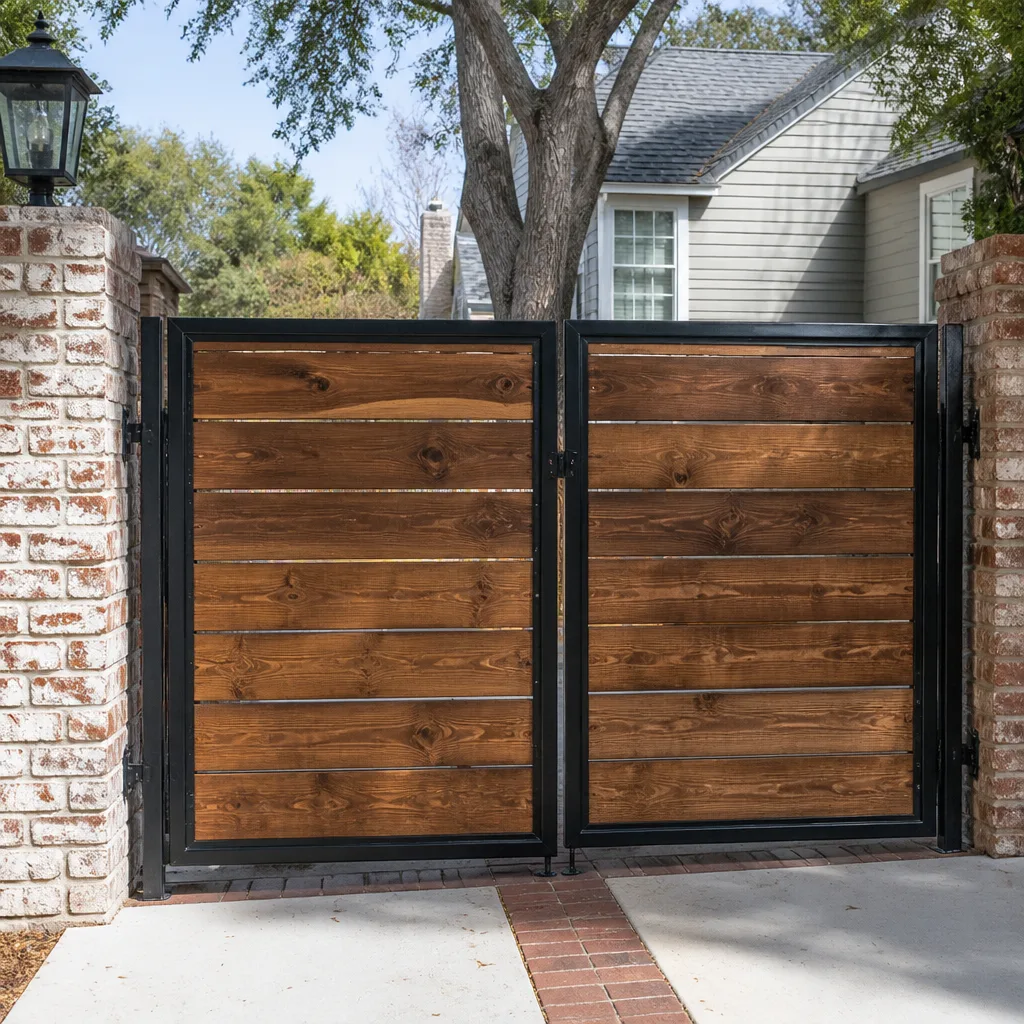 Wood & steel frame
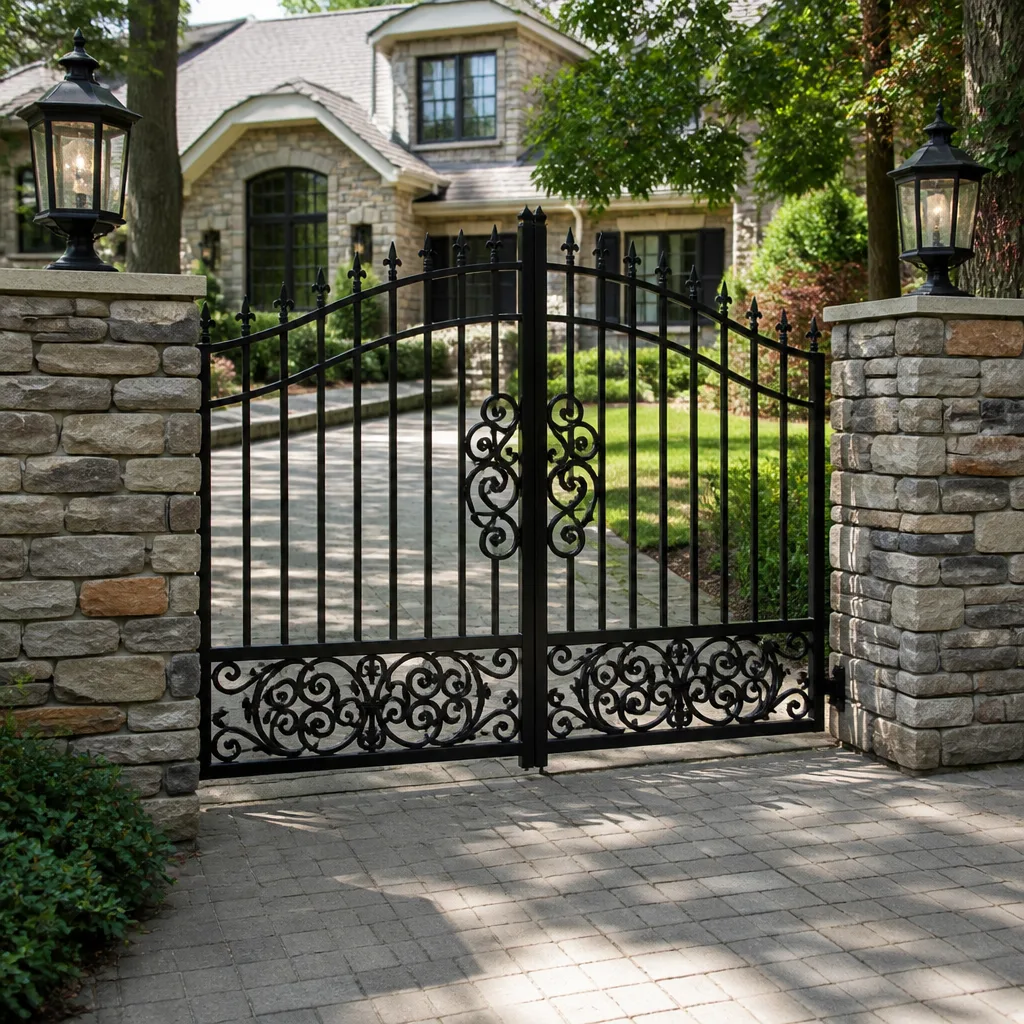 Wrought iron
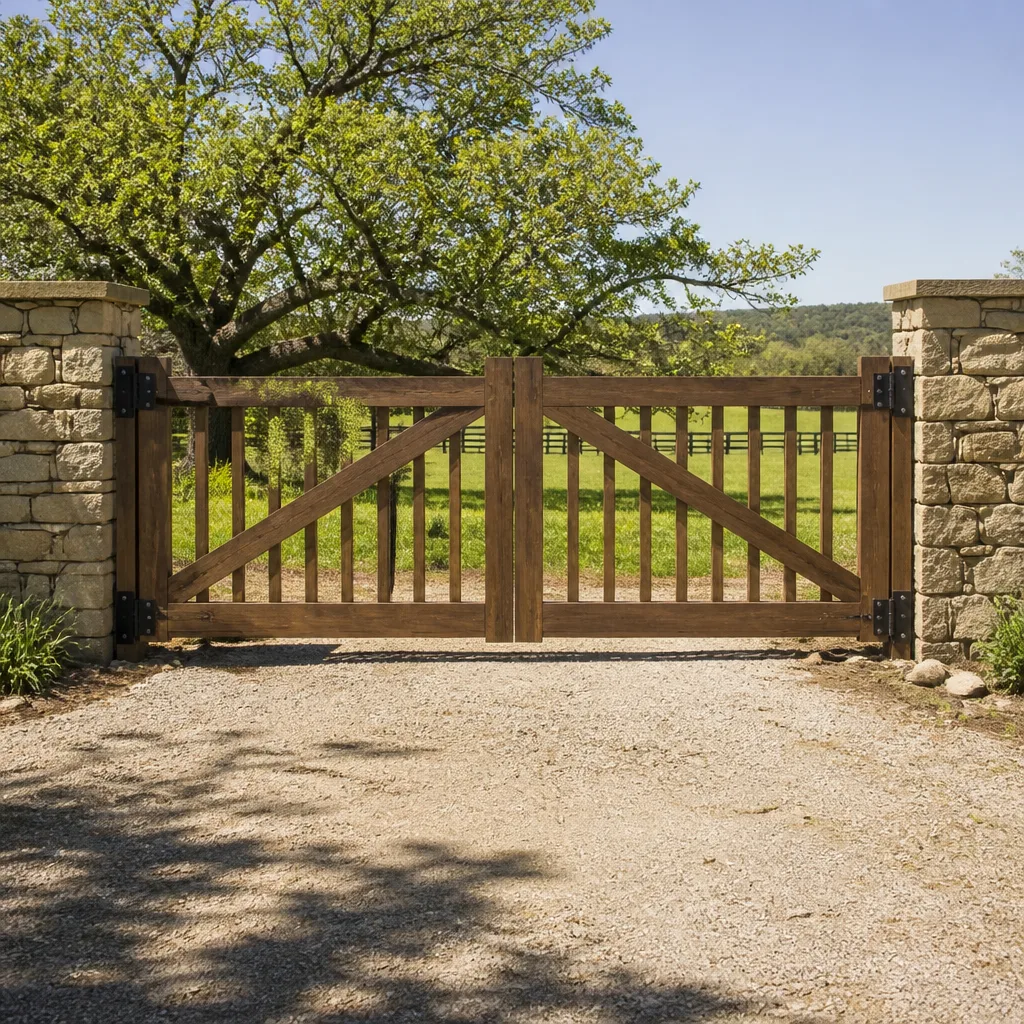 Farm & ranch
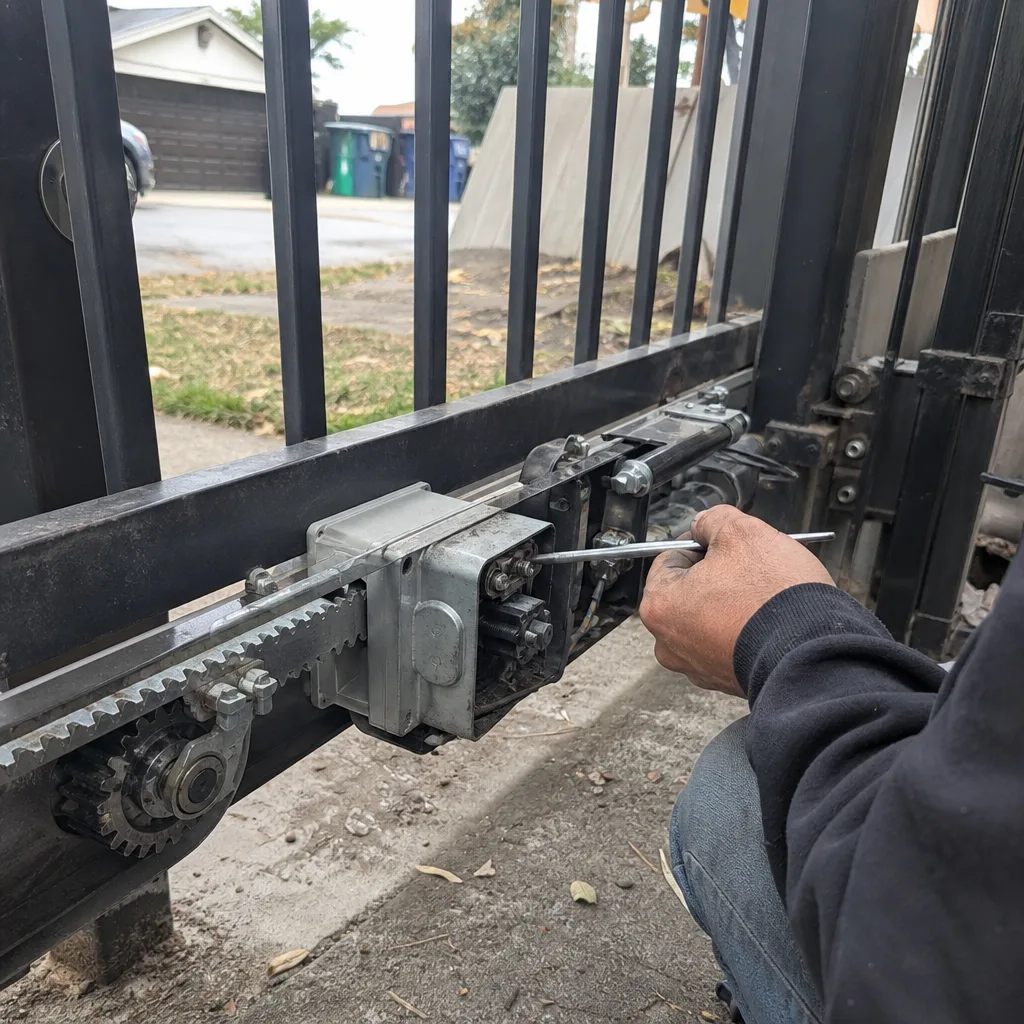
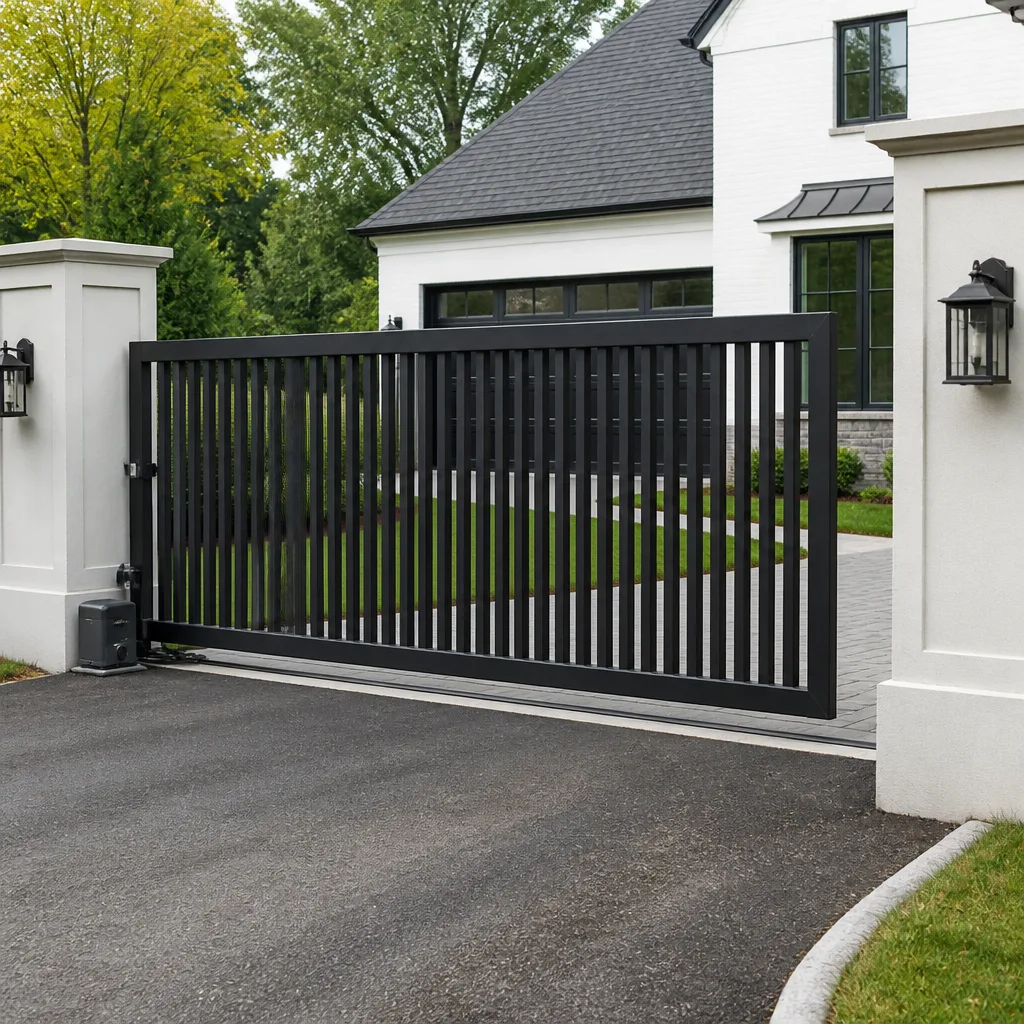 Sliding driveway gates
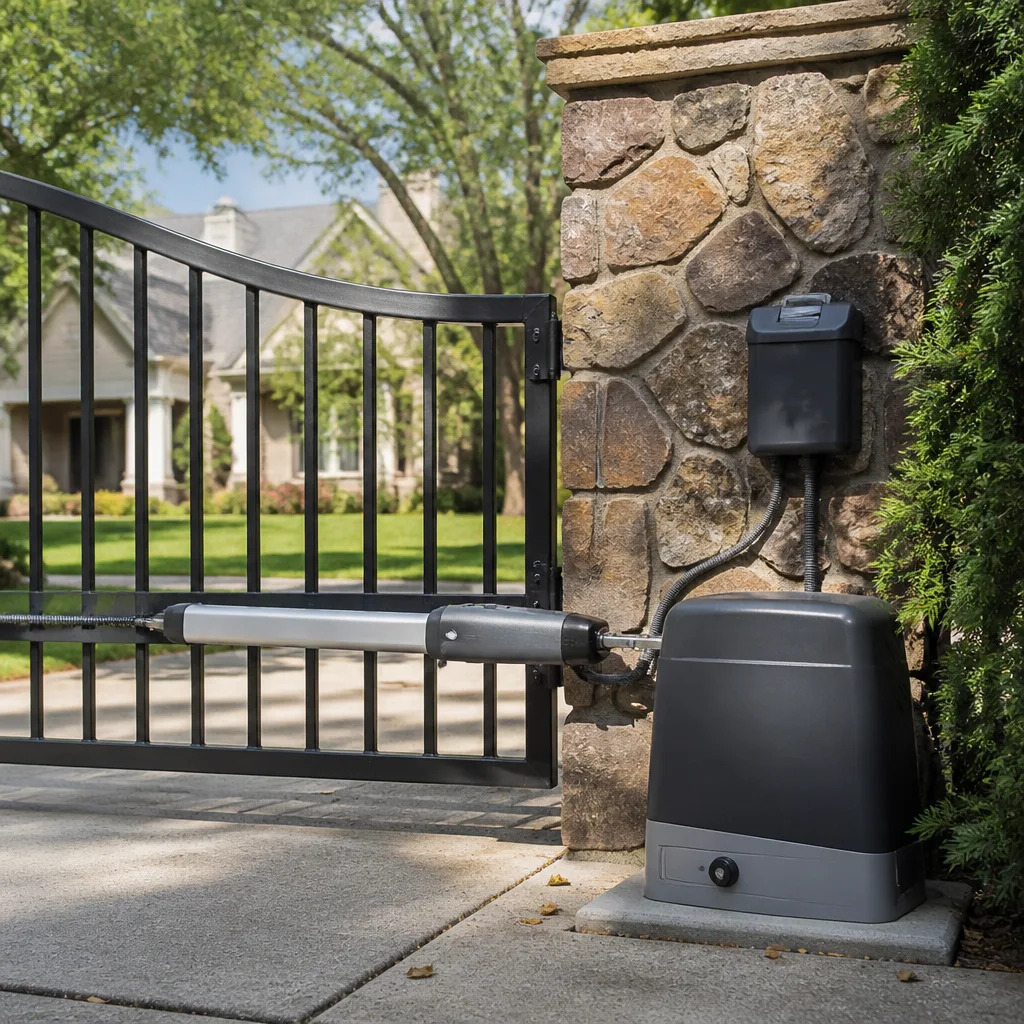 LiftMaster operators
Free on-site gate assessment - hinges, posts, and your LiftMaster or Nice gate operator checked before anything is quoted
The assessment is free and the quote is the invoice.
Get your free estimateThe Complete Guide to Gate Repair in Lakewood
Most people assume a gate that won’t close is a broken gate. In our experience across Lakewood, the opposite is usually true: the gate is fine, and something under it moved. The frost heave that cracks a Lakewood driveway every winter does the same quiet work on gate posts, and a gate that’s “just a little slow” in October can be jammed solid by February. The hardware gets blamed. The soil gets away with it.
This guide maps the whole diagnostic and repair landscape for gates in Lakewood, from manual swing gates to commercial slide operators. You’ll learn the three root causes behind most failures, how to tell an adjustment from a structural re-set, why swing and slide gates break for completely different reasons, and which repairs are one-visit fixes versus staged work across seasons. By the end you’ll know what your gate is actually telling you.
Quick Answer
Gate repair in Lakewood usually comes down to one of three root causes: foundation shift from clay-heavy soil and freeze-thaw cycles, hardware or operator wear, or a mismatch between the gate and the operator it’s paired with. Diagnosing which cause you’re facing matters more than the symptom you’re seeing, because adjusting a gate that needs structural re-setting wastes money, and re-setting a gate that only needed adjustment wastes more. A dedicated gate technician who recognizes your specific hardware will diagnose the cause first, then quote the fix.
Styles & brands we work with
- Wrought iron
- Wood & steel frame
- Farm & ranch
- Sliding driveway gates
- LiftMaster operators
Table of Contents
- The Three Root Causes of Gate Failure in Lakewood
- How Lakewood’s Clay Soil and Freeze-Thaw Cycles Move Your Gate
- Adjustment vs. Structural Re-Set: Which Does Your Gate Need?
- Why Swing Gates and Slide Gates Fail for Completely Different Reasons
- Is It the Motor, the Wiring, or the Gate Itself?
- One-Visit Repairs vs. Staged Repairs Across Seasons
- Why Brand Knowledge Matters: From Mighty Mule to FAAC
- What You Can Check Yourself vs. What Needs a Technician
The Three Root Causes of Gate Failure in Lakewood
Almost every gate problem we see in Lakewood traces back to one of three causes. Learning to recognize them changes how you think about the repair.
1. Foundation shift. A gate post is only as solid as what it’s set in, and in Lakewood that’s often expansive clay. When the soil moves, the post tilts, and every part above it drifts out of alignment. Sagging latches, dragging bottoms, and hinges that suddenly need re-tightening are often symptoms of this cause, not the cause themselves.
2. Freeze-thaw cycles. Colorado ground expands when it freezes and settles when it thaws, and that cycle repeats through the winter. Small alignment problems compound over a few seasons until a gate that worked fine seizes or swings crooked. This is why October complaints become February failures.
3. Mismatched hardware. A heavy steel gate on a light-duty operator, or a hinge rated for a lighter panel than the one it carries, will wear out faster than either part should. Mass-market brands like Mighty Mule are built for specific gate weights and lengths, and pushing past those limits causes failures that look like bad hardware but are really a sizing problem.
Before you replace anything, identify which cause you’re facing. A technician can usually confirm it on a first visit by checking post plumb, gate swing, and operator load. That diagnosis is the foundation for the entire repair, so it deserves more attention than the noise the gate is making.
How Lakewood’s Clay Soil and Freeze-Thaw Cycles Move Your Gate
Lakewood sits on ground that holds water and moves when it does. The clay-heavy soil under a lot of residential properties swells when wet and shrinks when dry, and the annual freeze-thaw cycle adds another layer of movement. Gate posts that were perfectly set can lean over a season or two, and the gate panel follows.
What homeowners notice first is rarely the post. It’s a gate that scrapes the ground, a latch that misses, a hinge that squeals, or an electric gate that strains to open. The obvious response is to adjust the symptom. But when the post is the problem, adjustment buys weeks, not years.
A few things to watch in a Lakewood setting:
- Post plumb. A gate post that’s visibly tilted, even slightly, is where the diagnosis should start.
- Ground cracks near the post base. Cracks radiating from a post usually mean the footing is moving.
- Seasonal change in behavior. A gate that works in summer and drags in winter is telling you the soil is moving, not the hinge.
- Uneven gaps. If the gap between gate and post changes with the seasons, the gate isn’t the moving part – the post is.
Repairing structural movement starts with the footing, not the hardware. That may mean re-setting a post to proper footing depth, stabilizing it with concrete, or in some cases replacing a section of the gate frame that has warped under the stress. Only after the structural problem is corrected does it make sense to adjust hinges, latches, or an operator. Skipping that order is where money gets wasted.
Adjustment vs. Structural Re-Set: Which Does Your Gate Need?
This is the single most useful distinction in gate repair, and it’s the one most homeowners get wrong. Adjustment fixes a gate that’s mechanically sound but slightly out of tune. Structural re-set fixes a gate whose mounting or frame has moved. Confusing the two wastes money in both directions.
Signs your gate needs adjustment:
- The post is plumb and the ground around it is stable.
- The gate swings freely but the latch misses.
- A hinge is loose or worn but the frame is straight.
- The problem appeared suddenly and hasn’t gotten worse over months.
Signs your gate needs structural re-set:
- The post leans, or ground cracks show at the base.
- The gate frame is racked or the panel has warped.
- The problem has been developing slowly and gets worse every winter.
- An operator runs but the gate drags, binds, or stops short.
Check your post first. Stand back and sight down its edge against a straight reference. If it leans, adjustment won’t fix it, and any hardware you replace will drift out of tune again within a season. If the post is true and the gate binds, that’s likely hardware or hinge wear, and adjustment is the right call.
At Lakewood Gate Repair the diagnostic step we take on a first visit is exactly this: confirm plumb, confirm swing, confirm load, and only then talk about repair. That order keeps the quote honest, because it stops a structural problem from being billed as a hardware fix that recurs in three months.
Why Swing Gates and Slide Gates Fail for Completely Different Reasons
Swing and slide gates share one thing in common: they open and close. Everything else about how they fail is different, and diagnosing one with the logic of the other sends you in the wrong direction.
How swing gates fail:
- Hinge wear. Every swing cycle loads the hinges, and on heavier gates the wear accelerates. Sagging on the far side of the gate is usually hinge side.
- Post lean. Because the weight of the gate hangs off the post, a swing gate magnifies post movement.
- Latch misalignment. This is almost always a symptom of hinge sag or post lean, not a latch problem of its own.
How slide gates fail:
- Track and roller wear. Small debris under the track, worn rollers, or a shifting track bed all cause drag.
- Derailment. Heavy panels that come off the track are the most dangerous slide failure we see. Stop operating a derailed gate and call a technician; the panel can crush if it comes free.
- Guide post misalignment. A guide post that shifts out of alignment binds the panel mid-track.
The diagnostic sequence is different too. Swing gates start with post plumb and hinge condition. Slide gates start with the track and rollers, then the guide posts, then the frame. A swing gate that binds is usually a swing geometry problem; a slide gate that binds is usually a track or roller problem. Treating one like the other is the most common misdiagnosis we correct.
The physical hazards differ as well. A swing gate is dangerous when its hinges fail and the panel drops. A slide gate is dangerous when it leaves the track or its operator wiring is exposed. Electric gates add another layer: the motor, control board, safety sensors, and low-voltage wiring are all electrical, and the power side of an electric gate deserves the same caution you’d give any outdoor electrical system. That’s a big part of why electric gate repair is what we do as a core service, not a referral.
Is It the Motor, the Wiring, or the Gate Itself?
When an electric gate stops opening, the operator is the obvious suspect. In our experience it’s often not the operator at all. The motor is doing what it’s told, but a gate that’s binding or out of alignment is fighting it, and the operator gives up to protect itself. Diagnosing which of the three is actually failing is what saves you from replacing a good motor.
- Disconnect the operator and test the gate by hand. With the operator disengaged, a gate that should glide by hand and instead drags or binds points to the gate, not the operator.
- Check the control board for codes or symptoms. A board with power but no output is an electrical problem. A board that trips or faults after a short run is often a load problem – it’s detecting the gate binding and stopping.
- Inspect the wiring runs and sensor alignment. Outdoor low-voltage wiring fails at the connections and where it bends. Safety sensors that are knocked out of line will stop a gate and look like a motor failure.
- Test the motor under a load you know is healthy. If the operator runs cleanly with a gate you’ve confirmed is free, the gate was the issue. If it still fails, the operator or its electrical feed is next.
Gates that use LiftMaster, FAAC, or BFT operators all present these failures in slightly different ways. A LiftMaster residential operator often reports a load problem through the control board. A FAAC or BFT commercial unit may log a fault before giving up. Knowing the brand’s behavior shortens the diagnosis considerably.
And make no mistake: the electrical side of an operator is not a DIY area. The control board and the low-voltage wiring behind it can deliver a shock, and an operator can start moving without warning. If your diagnosis reaches the electrical side, stop there and bring in a trained technician. What you can safely do at home is test the gate by hand and look for sensor alignment.
One-Visit Repairs vs. Staged Repairs Across Seasons
Not every gate repair is a single visit. Some problems are safely and honestly solved in one appointment. Others are structural, seasonal, and simply can’t be finished in a single trip without taking shortcuts that fail next winter. Knowing which you’re facing keeps expectations realistic.
Usually a one-visit fix:
- Hinge replacement on a gate whose post is plumb.
- Latch adjustment or replacement.
- Roller replacement on a slide gate with an intact track.
- Safety sensor alignment or replacement on an electric operator.
- Operator control board replacement when the board is confirmed faulty.
Usually a staged repair:
- Post re-setting. Pulling and re-setting a post to proper footing depth, then letting the footing cure before re-hanging the gate, is genuinely a multi-visit process. Rushing it means the gate goes back out of alignment.
- Frame straightening on a racked panel. A gate frame that has warped under seasonal stress may need repair, then a settling period, then final adjustment.
- Slide track repair. Track bed lifting and re-laying needs time for the base to settle before the roller alignment is final.
Staged work across seasons is not a delay tactic. In Lakewood, re-setting a post and then adjusting the gate in warmer, drier ground gives you the best chance at a stable result. That’s why any honest gate specialist will tell you the timing of a structural repair matters as much as the repair itself.
Why Brand Knowledge Matters: From Mighty Mule to FAAC
Gate brands are not interchangeable, and neither is the diagnostic approach for each. A residential DIY brand like Mighty Mule is built for lighter gates and homeowner installation, and the failure patterns are different from those of a professional-grade operator like FAAC or BFT. Applying commercial logic to a lightweight residential system can lead you to replace hardware that was only ever operating at its limit.
We work on nine gate system brands, and that range matters in the field. Whether it’s a Mighty Mule or a FAAC, the technician who knows the brand on sight skips the guesswork. They know which replacement parts fit, which control boards log which faults, and which hardware was designed for the gate it’s paired with.
A few reasons brand familiarity changes the diagnosis:
- Operator behavior. Commercial operators like DoorKing and BFT respond to load problems differently from residential LiftMaster units.
- Part sourcing. The right hinge or roller for a specific gate frame isn’t universal, and the wrong part wears out fast.
- Warranty and safety systems. Modern operators include safety sensors and reverse settings that must match the brand and the gate weight.
- Upgrades. If you’re moving from a Mighty Mule to a heavier operator, the gate frame may need reinforcing first.
That’s the range we cover: residential entry-level systems and professional-grade light-commercial operators within the same service roster. Whether you’re a homeowner with a single swing gate or a property manager responsible for multiple access points, the brand list tells you where we can diagnose with confidence.
What You Can Check Yourself vs. What Needs a Technician
Some gate checks are perfectly safe for a homeowner. Others aren’t, and it’s worth knowing where the line is before you start.
Safe to check yourself:
- Whether the post visibly leans.
- Whether the gate drags, binds, or swings unevenly by hand.
- Whether hinges or latches are loose or visibly worn.
- Whether safety sensors are knocked out of alignment.
- Whether the control board shows an obvious fault.
Needs a trained technician:
- Any work on operator wiring, the control board, or the power feed.
- Re-setting a leaning or sunken post.
- Repairing or replacing a derailed slide gate panel.
- Diagnosing why a motor trips under load.
- Any adjustment that requires disassembling the gate or its operator.
There’s no safe DIY path to fixing the electrical side of an electric gate, and the physical weight of a heavy slide or swing panel is a real crush hazard. If you’re at the boundary between a check and a repair, the right move is a professional diagnosis, not a screwdriver and a guess. A free estimate that tells you what’s actually wrong usually costs less attention and money than a DIY attempt that ends in a second repair.
Common Mistakes to Avoid
- Adjusting hardware when the post is the problem. In Lakewood this is the most common mistake we see. A leaning or drifting post will undo any hinge or latch adjustment within a season, so diagnose the post before you touch the hardware.
- Replacing a good motor because the gate binds. An operator that trips or stops can be doing exactly what its control board tells it when the gate is fighting it. Test the gate by hand before you buy a motor.
- Treating a slide gate like a swing gate. Slide problems start with the track and rollers. Swing problems start with the post and hinges. Applying one diagnostic approach to the other wastes both time and money.
- Skipping the structural re-set because it means multiple visits. A post that gets a quick shim in October will be back out of alignment by February. Staged work across seasons is the honest path.
- Pairing a heavy gate with a light-duty operator. Mismatched hardware is a root cause, not a nuance. If you’re replacing an operator, confirm its rated gate weight and length match what you actually have.
- Ignoring a derailed slide gate panel. A heavy panel off its track can crush. Don’t operate it, don’t try to lift it back on yourself, and call a technician.
- Letting a slow October gate ride until February. In Lakewood’s freeze-thaw cycle, a small alignment problem compounds fast. Early adjustment is cheaper than a mid-winter structural repair.
See the difference
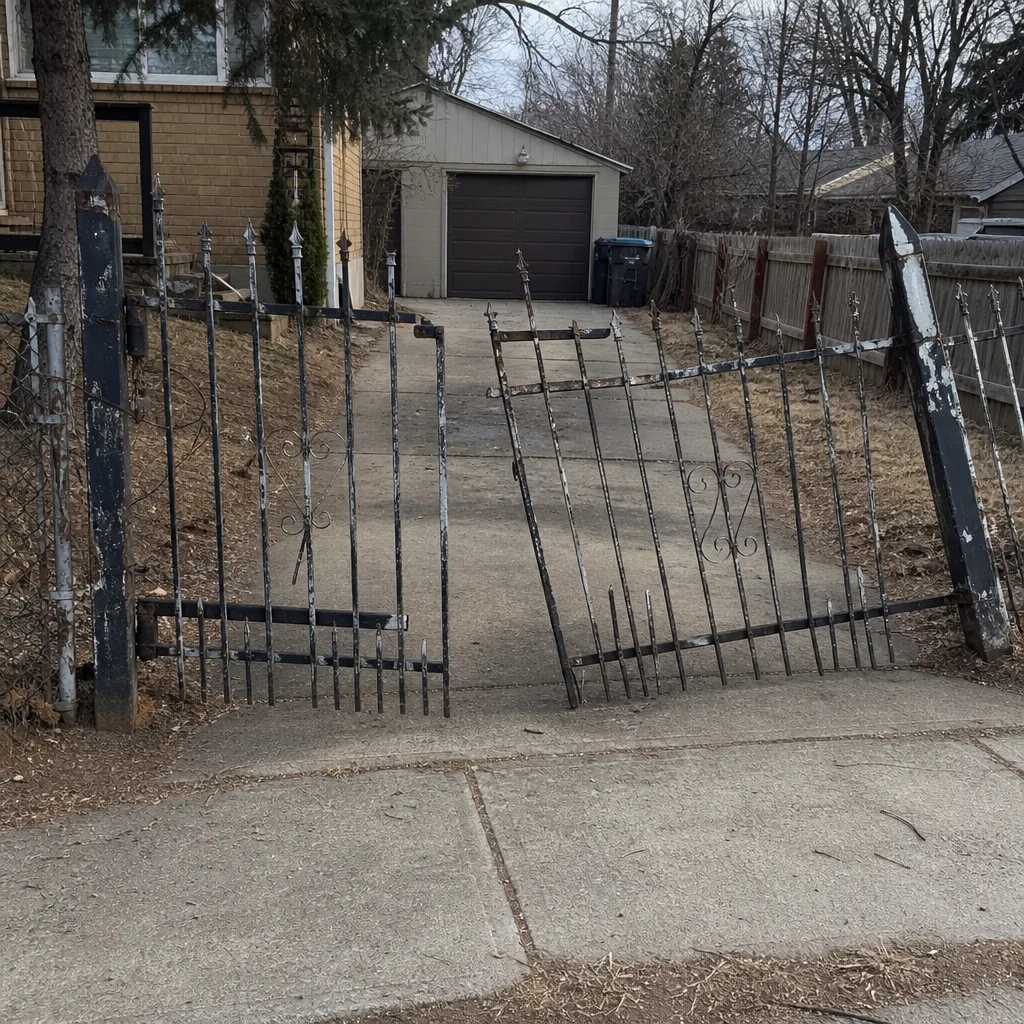 Before
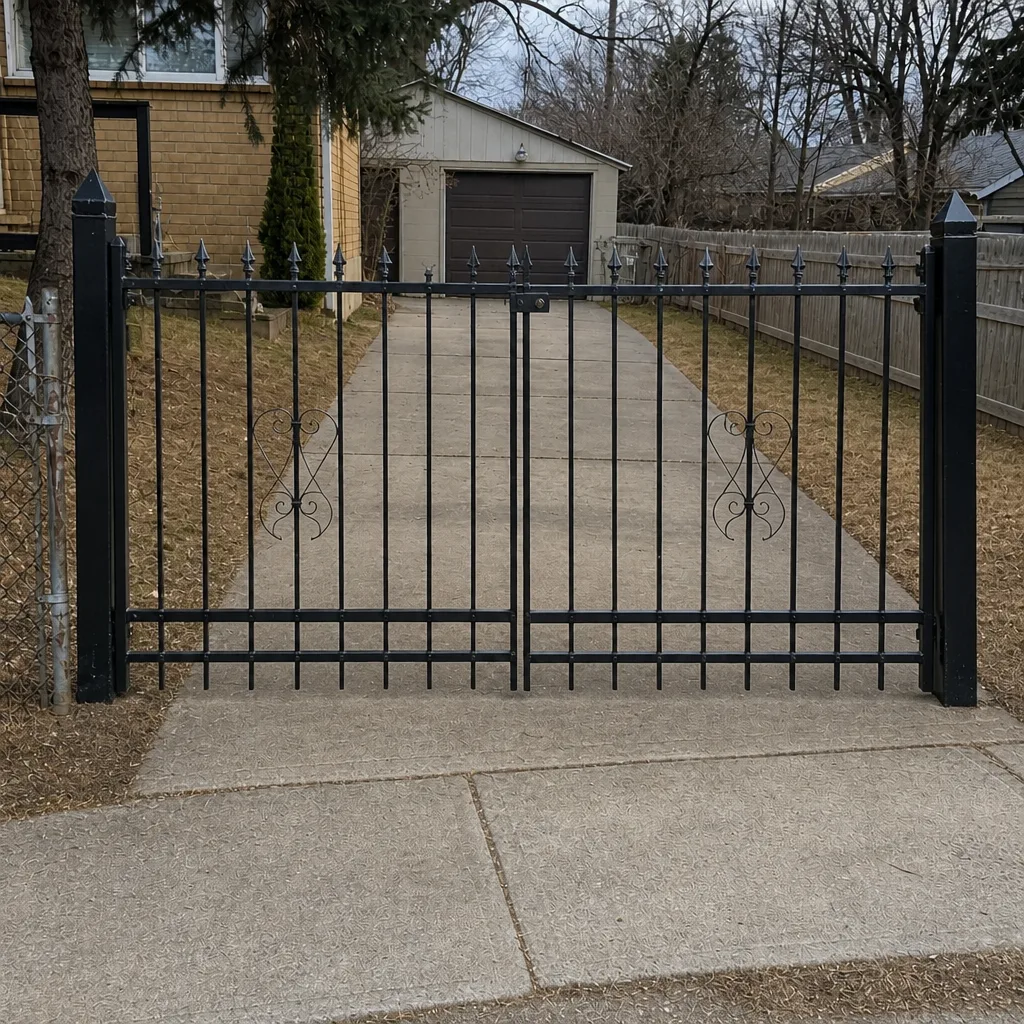 After
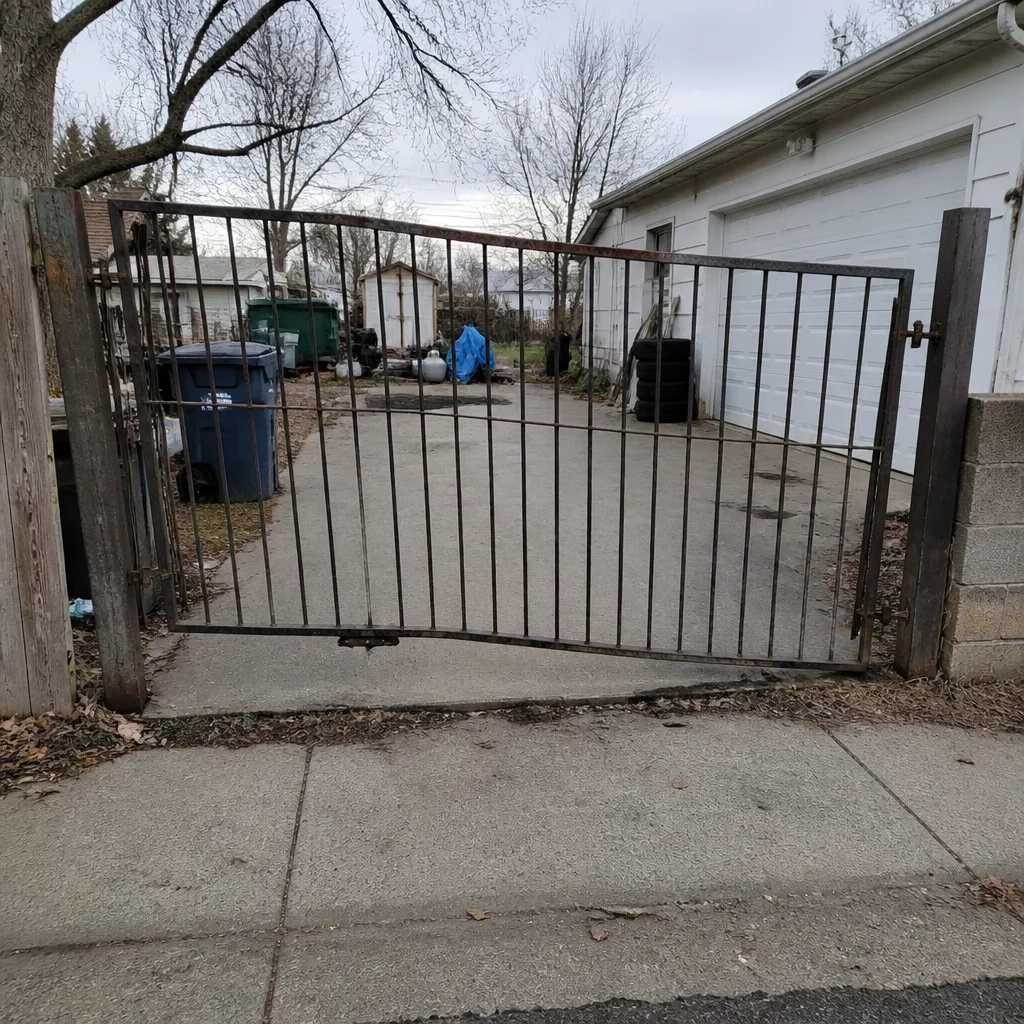 Before
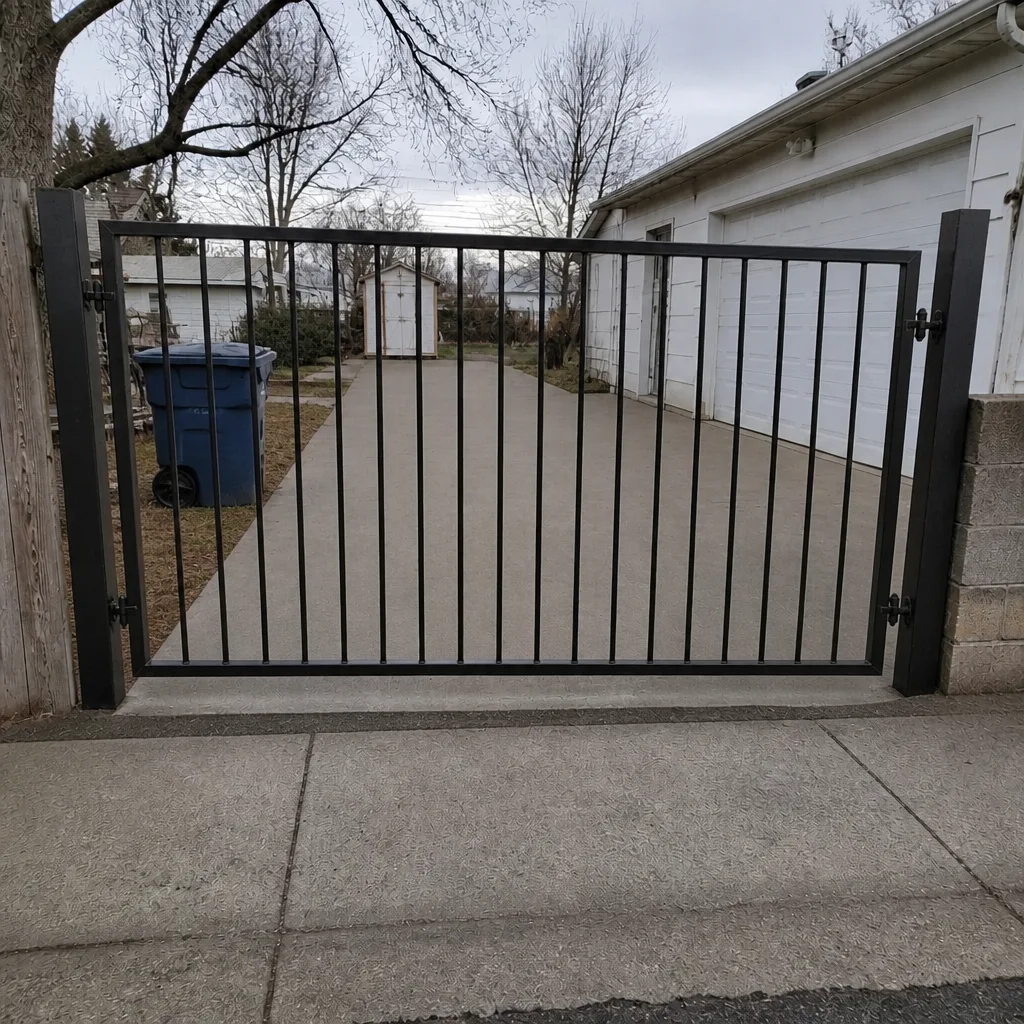 After
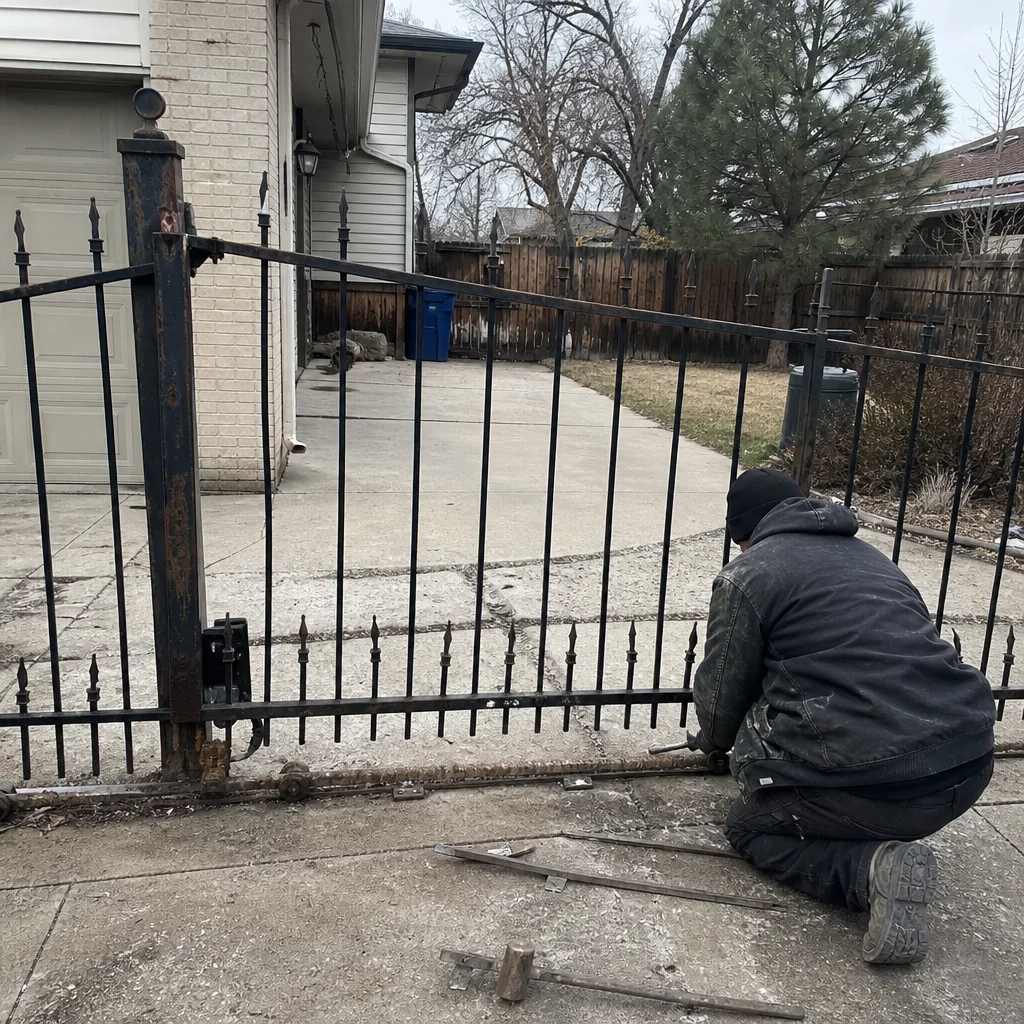 Before
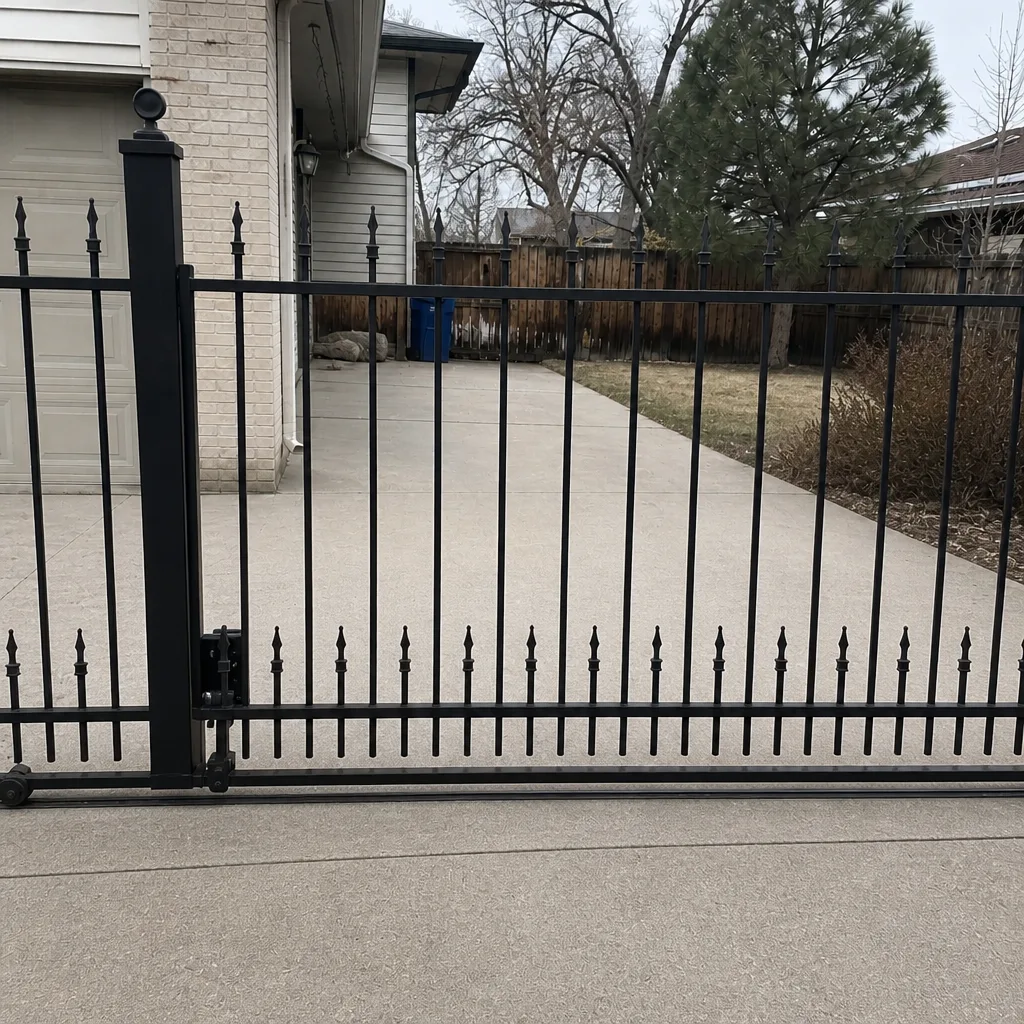 After
When to Call a Professional
Call a gate technician when your post leans, your slide panel has left the track, your operator trips under load, or your electric gate’s wiring or control board needs work. Those are the situations where DIY carries real cost, and honestly, real risk. But call sooner than you think you should. A gate that’s “just a little slow” in Lakewood is often the earliest sign of a post drifting, and a straightforward adjustment now is far cheaper than a structural re-set later.
For property managers with multiple gates, a professional diagnosis on all of them at once is worth the visit. It catches the post lean before it becomes a hardware failure and keeps the access points you’re responsible for working when you need them. Lakewood Gate Repair offers free estimates in Lakewood. Call (866) 330-9331.
Frequently Asked Questions
Gate repair in Lakewood is priced per job by a written estimate, and the estimate is free. The price depends on what’s actually failing – a hinge or latch adjustment is a different job from a post re-set or an operator repair – so the diagnosis comes first and the quote follows. The price is agreed before any work starts, so there are no surprises on the invoice. Call (866) 330-9331 for an exact quote; estimates are free.
We answer 24/7, and fast dispatch runs from 7am to 7pm. A call outside dispatch hours is booked into the next opening, Sunday through Friday. For urgent issues like a gate stuck open or a derailed slide panel, call and we’ll book your visit. Call (866) 330-9331.
Because the ground underneath it is moving, not the gate. Lakewood’s clay-heavy soil swells and shrinks with moisture, and the annual freeze-thaw cycle shifts gate posts a little each winter. That’s why the same gate drifts out of alignment season after season until the post is re-set to proper depth.
Check your post first. If it’s plumb and the ground around it is stable, an adjustment is likely enough. If it leans or ground cracks show at its base, you need a structural re-set. A technician can confirm this on a first visit before any hardware work is quoted.
Yes. Electric gate repair is a core service for us, covering the operator motors, control boards, safety sensors, and wiring that general handymen typically decline. We work on systems from LiftMaster and Mighty Mule up through FAAC and BFT. Call (866) 330-9331 for a free estimate.
Yes. We work on entry-level residential systems and professional-grade light-commercial operators within the same service roster, including DoorKing, Elite, Linear, and Viking alongside the residential brands. Homeowners and property managers both call us for the same reason: brand recognition on sight. Call (866) 330-9331 for a free estimate.
The Bottom Line
Most gate problems you’ll see in Lakewood come down to three root causes: foundation shift from clay-heavy soil and freeze-thaw cycles, hardware wear, or mismatched hardware. Diagnosing the cause matters more than fixing the symptom, because adjusting a gate that needs a structural re-set wastes money, and re-setting a gate that only needed an adjustment wastes more. Check your post first, then the gate, then the operator, in that order. Some repairs are one visit and some are staged across seasons – and the honest answer is worth more than the fast one. When you’re ready for a specialist diagnosis, Lakewood gate repair is what we do every day. Call (866) 330-9331 for a free estimate.
Written by the team at Lakewood Gate Repair.