
Last updated November 15, 2026
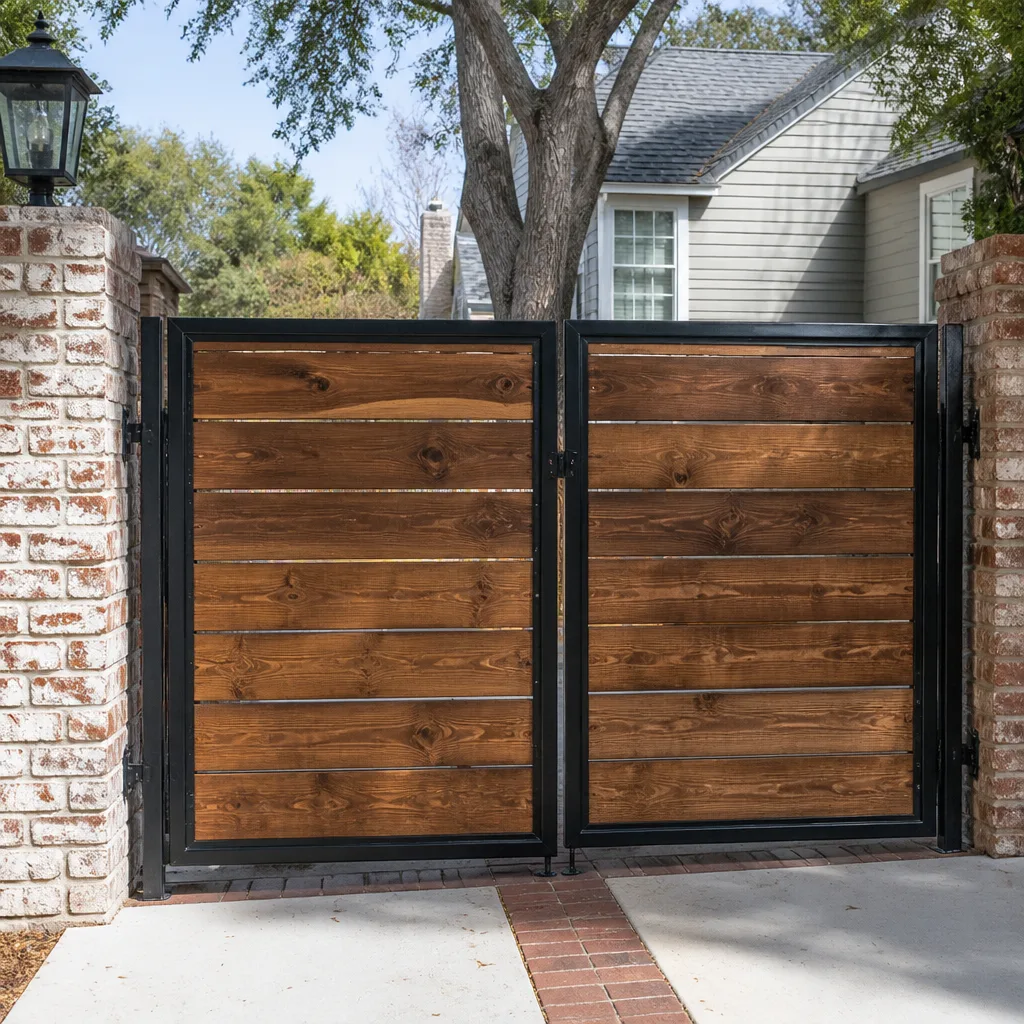 Wood & steel frame
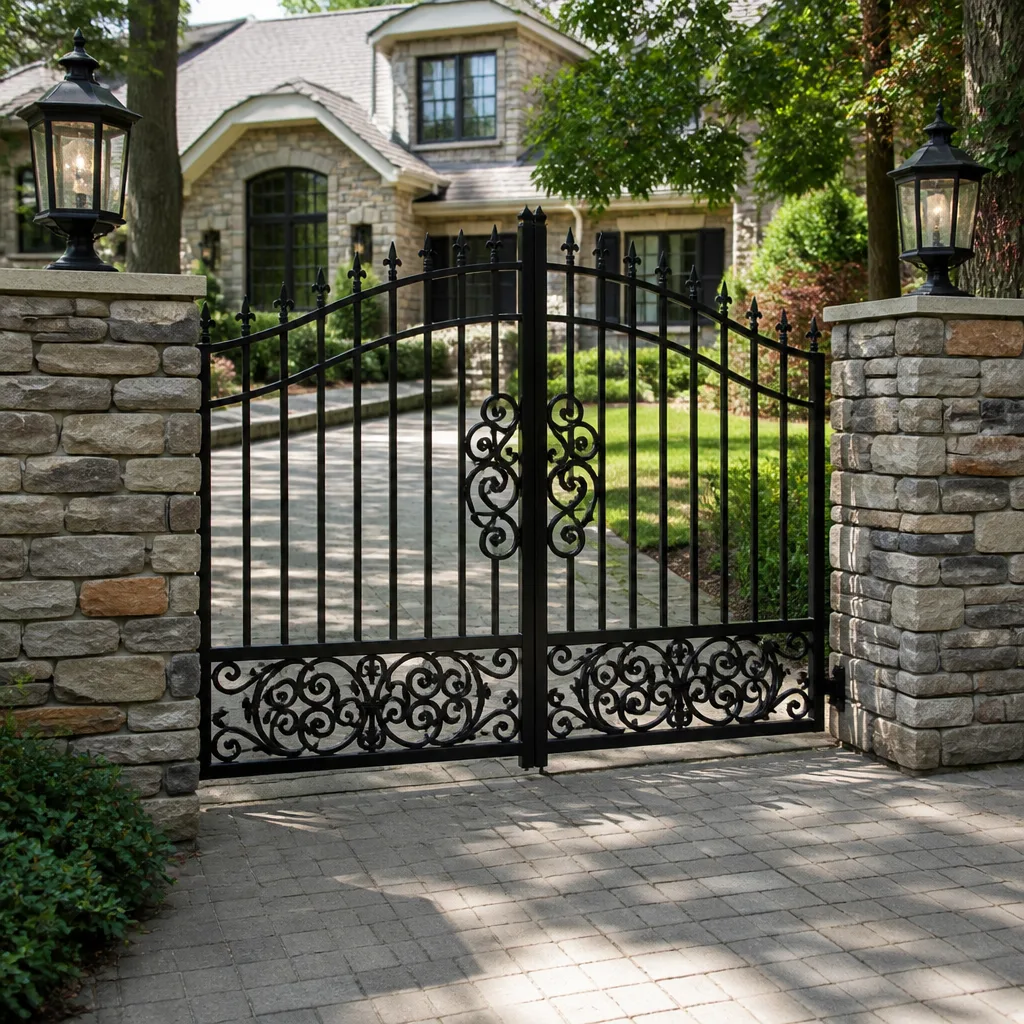 Wrought iron
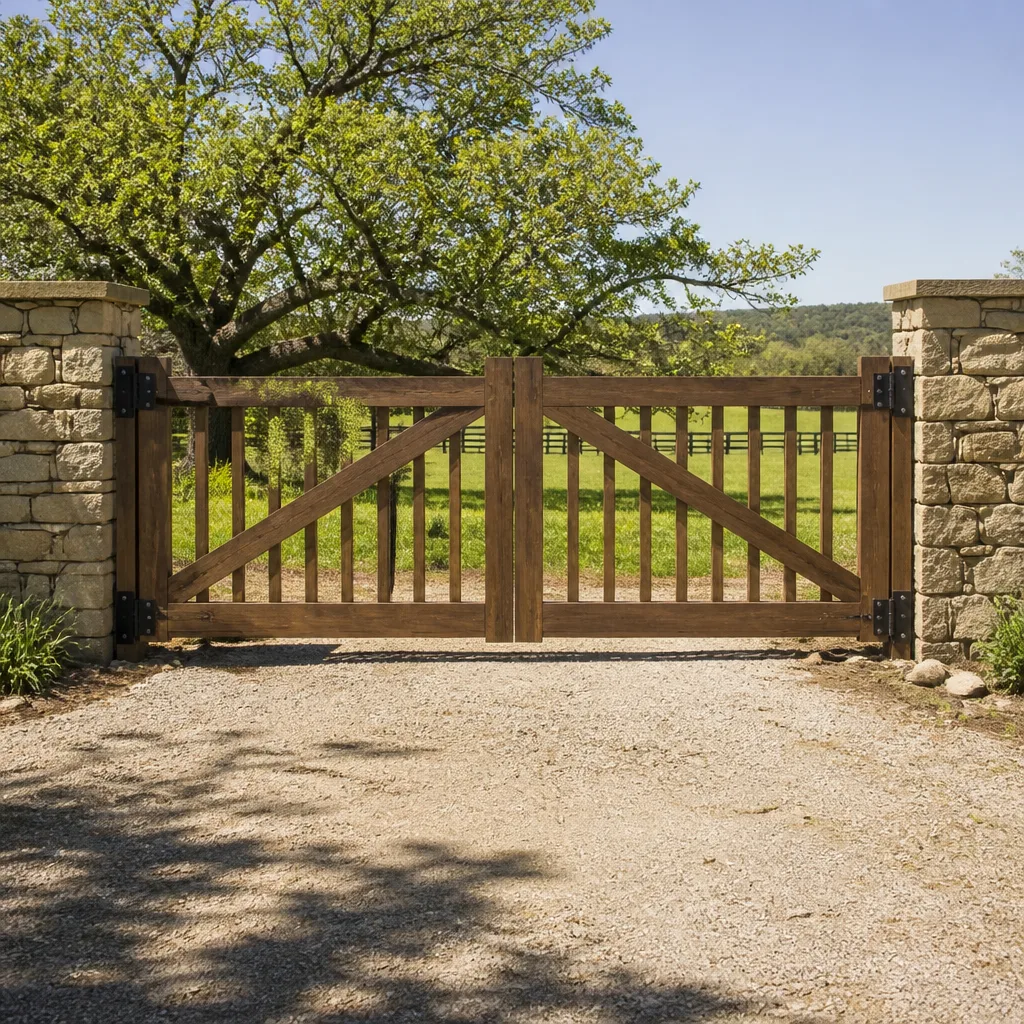 Farm & ranch
 Sliding driveway gates
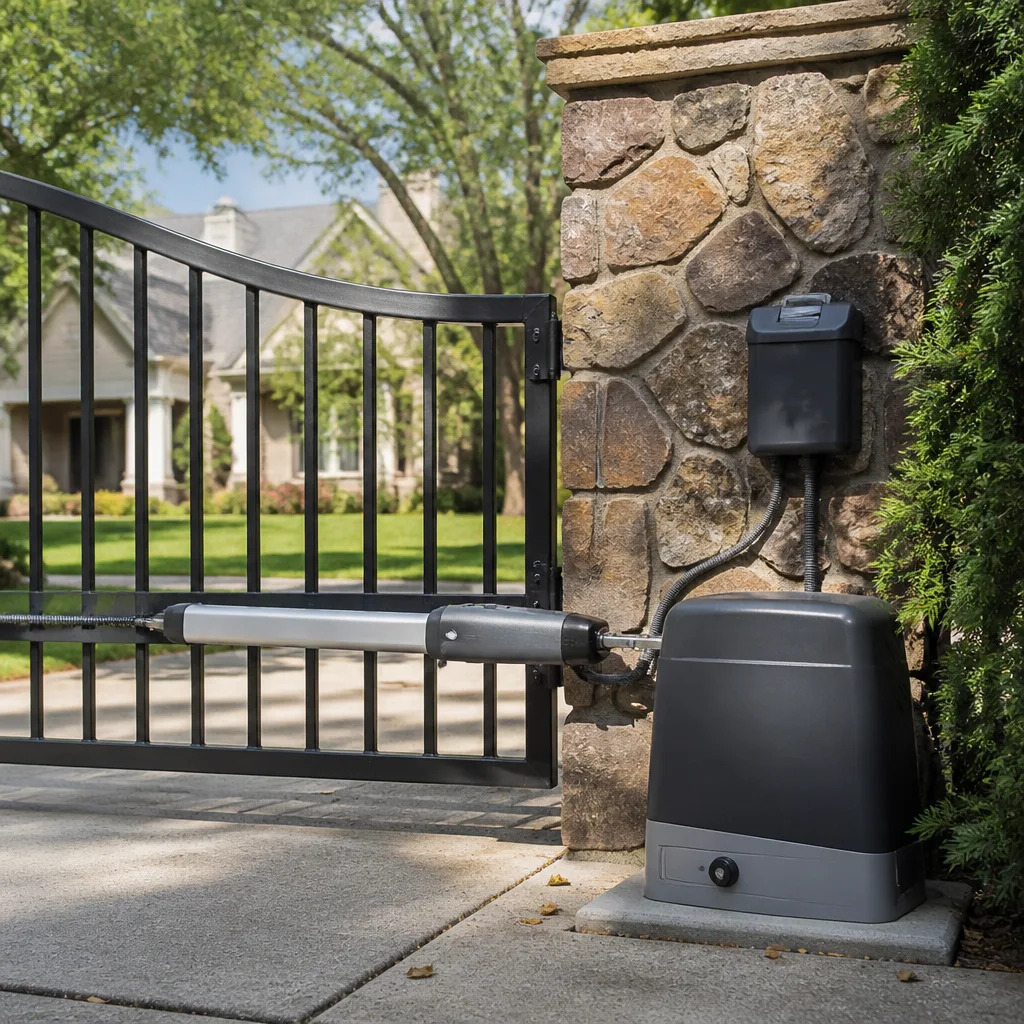 LiftMaster operators
Free on-site gate assessment - hinges, posts, and your LiftMaster or Nice gate operator checked before anything is quoted
The assessment is free and the quote is the invoice.
Get your free estimateGate Repair Emergency Preparedness Guide for Lakewood Homes
Every automated gate has a manual release. The design varies by operator brand and by gate type, and the moment you actually need that release is exactly the wrong time to be hunting for the manual or guessing at a video. A gate stuck open feels like a security problem you can’t solve at 9pm. A gate stuck closed feels like a cage. Both have a procedure, and most Lakewood homeowners have never rehearsed either one. This guide walks you through the manual override for the three operator types we see most, the steps that protect your property when a gate won’t close, and the information that turns a chaotic call into a fast dispatch.
Quick Answer
A gate emergency in Lakewood usually comes down to one question: can you safely get the gate into the position you need it? Most swing and slide operators have a manual release key or lever that disengages the motor so you can move the gate by hand. Once the gate is where you want it, secure it with a mechanical stop or a physical lock and call a gate specialist with your operator brand, your symptom, and whether the gate is blocking access or blocking egress. If the gate is stuck open, treat it as a security event first and a repair second.
Styles & brands we work with
- Wrought iron
- Wood & steel frame
- Farm & ranch
- Sliding driveway gates
- LiftMaster operators
Table of Contents
- Why a Gate That Fails Open Is a Different Emergency
- Manual Release for the Three Most Common Operator Types
- Gate Stuck Open: Security Steps Until a Technician Arrives
- Gate Stuck Closed: How to Secure It Without Damaging the Operator
- What to Have Ready Before You Call
- The Lakewood Scenarios That Spike Gate Emergency Calls
- Why Brand Awareness Matters in an Emergency
- How to Prepare Before Anything Fails
Why a Gate That Fails Open Is a Different Emergency
A gate that won’t open is annoying. A gate that won’t close is a property security problem with a clock on it. We’ve seen this distinction blur in homeowners’ minds: both feel like “the gate is broken,” so both get the same reaction. They shouldn’t.
When a swing gate or slide gate stops in the open position, you lose the entire function of the gate. Driveway gates, courtyard gates, and side-yard gates all exist to control who comes onto the property. An open gate does none of that. If you have a fence with a gate as the only controlled entry point, an open gate means your fence is effectively gone.
Failing closed is a different kind of emergency. It blocks vehicle access, which matters more for property managers and homeowners with attached garages behind a gate than for someone with a secondary pedestrian gate. It also creates an egress problem if the gate is the only way out for a vehicle in an emergency.
Here’s the part that surprises people: both failures often have the same root cause. A dead battery in the operator, a tripped breaker at the control panel, a safety sensor that’s misaligned, or a logic board that’s decided the gate isn’t safe to move. The position the gate stops in is usually just where it happened to be when power or signal dropped.
That’s why the first move in any gate emergency is to identify the operator brand and the actual symptom. A gate that “won’t move” and a gate that “moves an inch and stops” are different failures. So is a gate that runs fine in one direction and refuses the other. In our experience, that last symptom usually points to a limit switch or a safety edge, not the motor.
If you’re in Lakewood and the gate is stuck open right now, the priority is getting it closed or physically secured before you worry about the repair. The repair can wait until you’ve made the property safe.
Manual Release for the Three Most Common Operator Types
Every automated gate operator has a manual release, but the mechanism varies widely by brand and by gate type. Knowing which one you have before you need it turns a panicked search into a 30-second fix. Here’s how the three most common configurations work.
1. Swing Arm Operators
Swing arm operators mount to a post beside the gate and push or pull the gate leaf open. Brands like BFT and Viking use this configuration heavily on residential properties. The manual release is usually a lever on the operator housing, sometimes with a keyed lock, that disengages the arm from the motor.
- Locate the release lever or key on the operator housing (typically on the side facing the driveway).
- Insert the release key if the operator is keyed, and turn it to unlock the lever.
- Pull or push the lever per the operator’s direction indicator, which disengages the drive.
- Move the gate by hand to the position you need, then release the lever to re-engage.
One caution: on a sloped driveway, a disengaged swing gate can swing under its own weight. Control it with one hand on the gate frame before you release the lever.
2. Linear Actuator Operators
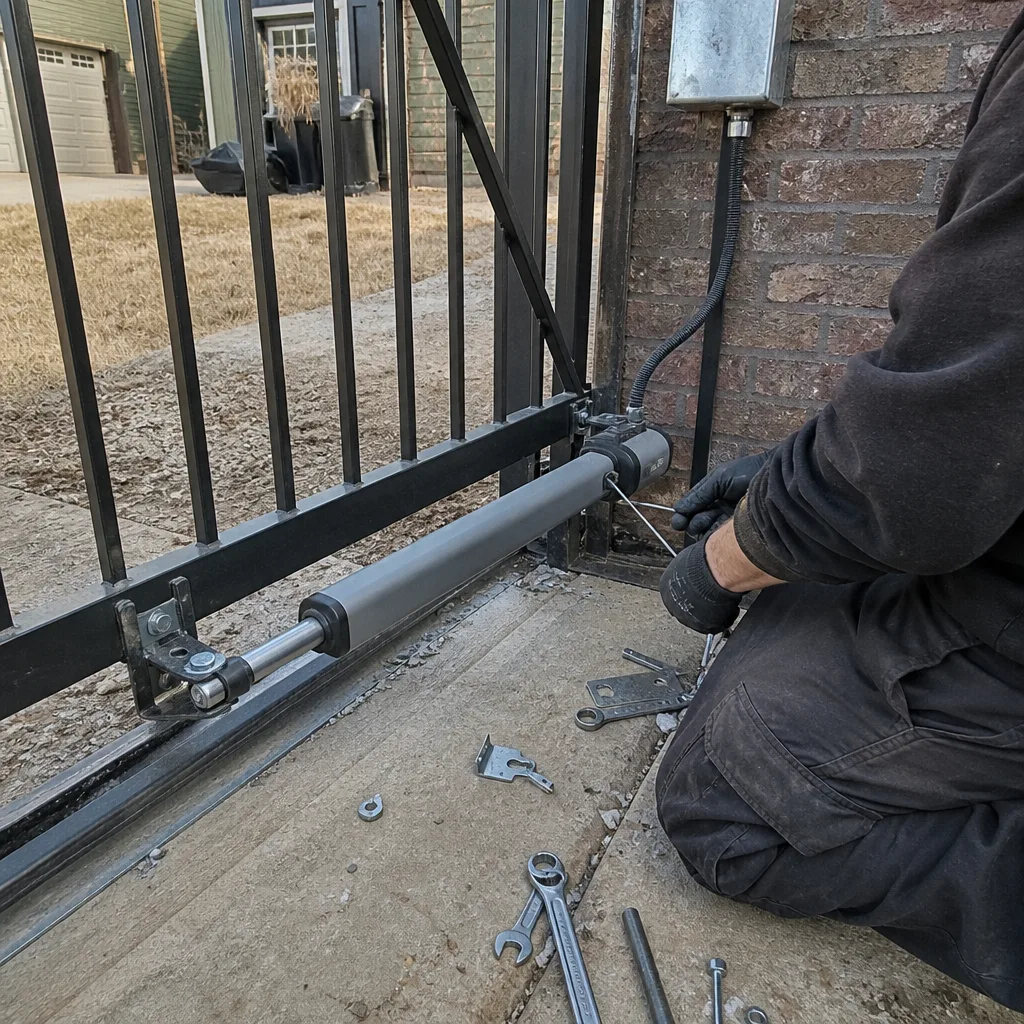
Linear actuators look like a long tube or piston mounted between a post and the gate. Ghost Controls uses this style on many residential systems. The release is usually a pin, a lever, or a keyed cylinder on the actuator body that decouples the rod from the gate.
- Find the release mechanism on the actuator body, near where the arm meets the gate bracket.
- Pull the release pin or turn the key, depending on the model.
- Lift the arm off the gate bracket if the design requires full disconnection.
- Move the gate by hand, then reconnect the arm and re-insert the pin to restore operation.
If your actuator uses a pin, keep the pin in a known spot. They’re small, easy to lose, and hard to replace on short notice.
3. Slide and Rack-and-Pinion Operators
Slide gates ride on a track or a set of rollers and are driven by a rack-and-pinion system, a chain, or a belt. Linear and DoorKing are common in this category. Most slide operators have a release lever or key on the operator housing that disengages the drive gear from the rack.
- Locate the release lever on the operator housing.
- Turn the key or pull the lever to disengage the drive pinion from the rack.
- Slide the gate by hand along the track to the desired position.
- Re-engage the release to lock the gate in place. Most slide operators will hold position once re-engaged.
Before you release a slide gate, check that the track is clear of debris and that the gate hasn’t come off its rollers. A disengaged slide gate that jumps the track becomes a much bigger repair.
Gate Stuck Open: Security Steps Until a Technician Arrives
When a gate fails open and no technician can reach you until the next opening, you have a security gap to manage in the meantime. The goal is not to fix the operator. The goal is to make the property physically secure without causing damage you’ll pay to repair later.
Work through these steps in order:
- Close the gate manually if the operator allows it. Use the manual release procedure for your operator type, move the gate to the closed position, then re-engage the release. Many gates will stay closed under their own weight or latch.
- Insert a mechanical stop if the gate won’t stay closed. A rubber wheel chock, a concrete block, or a purpose-made gate stop wedged at the base of the gate leaf will hold it in position without stressing the operator arm or the hinges.
- Lock the gate physically. A padlock through the gate frame and the fixed post is the fastest way to secure a closed gate that has no working latch. If you have a chain-link gate, a length of chain and a padlock will do.
- Disconnect power to the operator if it’s behaving erratically. If the gate is cycling open and closed on its own or making grinding noises, trip the dedicated breaker at the panel that feeds the operator. This prevents the motor from fighting your mechanical stop.
- Add a visible deterrent if the property is exposed. A temporary sign, a vehicle parked across the driveway, or a motion light pointed at the gate opening is enough to change the calculus for anyone who might walk up.
- Check the pedestrian gate and any secondary openings. When the main gate is compromised, the rest of the perimeter needs a look. An open driveway gate creates an assumption that nobody is home.
What not to do: don’t tie the gate to a fence post with rope or strap a gate leaf to a tree. Both approaches put load on parts that weren’t designed for tension, and the damage to the operator arm or hinges often exceeds the cost of the original repair.
Gate Stuck Closed: How to Secure It Without Damaging the Operator
A gate that fails closed is a different kind of problem. Vehicle access is blocked, and if the gate is on your only exit, that’s a genuine safety concern. You want it open, but you don’t want to force it open in a way that bends the operator arm or snaps a hinge.
The safest approach is the manual release, same as above. Disengage the operator, walk the gate open by hand, and then secure it open so it stays put until a technician can diagnose the fault.
If the gate won’t move freely even with the operator disengaged, do not force it. That symptom usually means a mechanical failure in the gate itself: a collapsed hinge, a slide gate off its rollers, a bent arm, or a track that’s shifted. Forcing a gate in that condition causes more damage than the original fault, and it’s a genuine injury risk on a heavy gate that suddenly releases.
When the gate is stuck closed and you can’t open it safely, you have three options:
- Park outside the gate and use a pedestrian access point until the repair is complete.
- If the gate is a slide gate on a track, check whether the gate can be manually slid a few feet past the point where it’s binding. Sometimes the bind is at one spot on the track.
- If the gate is blocking emergency vehicle access, call for professional help the same day. This is not a wait-until-next-opening situation.
Once the gate is open, secure it with a mechanical stop or a physical tie to a fixed structure so it doesn’t roll or swing back under gravity. Then call for repair. Call (866) 330-9331. We answer 24/7. Fast dispatch from 7am to 7pm, Sunday through Friday.
What to Have Ready Before You Call
The single biggest difference between a fast dispatch and a slow one is the information you have ready when you call. Our technicians have up to 12 years of experience, and they can often diagnose a fault over the phone before they ever leave the shop. That only works if you have the right details in front of you.
Have these four things ready before you dial:
- Operator brand and model. Look at the operator housing. The brand is usually embossed on the cover, and the model number is on a sticker inside the housing or on the underside. If you bought the property with the gate, check for a manual or a tag on the inside of the control panel door.
- The symptom, in plain language. “The gate opens but won’t close” is a different fault from “the gate moves two inches and stops.” “The gate moves with the remote but not the keypad” tells us what’s working. “The gate clicks and hums but doesn’t move” points at the motor or the capacitor.
- Power status. Is the operator still receiving power? Check the breaker for the gate circuit. Check whether the control panel LED is lit. If the operator has a battery backup, note whether the gate behaves the same way on battery power.
- Access and egress status. Is the gate blocking someone from getting in, or blocking someone from getting out? This is the single most important question in triage, because it changes the priority of the dispatch.
If you have a photo of the operator nameplate and a short video of the gate failing, that’s even better. Send it when you call. A photo of the control board showing error code LEDs can sometimes save an entire diagnostic trip.
The Lakewood Scenarios That Spike Gate Emergency Calls
Gate failures cluster around specific conditions, and Lakewood has its own patterns. Understanding what causes most emergency calls here helps you anticipate the failure before it happens.
- Cold-snap mornings. Lakewood sits at elevation and gets hard cold snaps. Metal contracts, battery performance drops, and operators that were fine in October start straining in January. A gate that’s sluggish on a cold morning is often a battery that’s near end of life.
- Spring wind events. Spring in Lakewood brings sustained wind and gusts that push on a large gate leaf. Swing gates with worn hinges, and slide gates with loose rollers, take the load unevenly and fail under wind load more than they fail under normal daily use.
- Frozen ground and post heave. Posts that weren’t set to proper footing depth can lift or shift with freeze-thaw cycles. A shifted post misaligns the operator arm or the gate latch, and the gate stops closing cleanly.
- Hail and debris. Hailstorms and wind-blown debris knock safety sensors out of alignment. A misaligned sensor is the single most common reason an automatic gate refuses to close. The operator thinks something is in the way.
- Power interruptions. Brief power drops reset control boards. A gate that isn’t closing after a storm is often a control board that needs to be re-initialized, not a motor that’s failed.
- Aging residential operators. Many Lakewood homes with automated gates have operators that were installed with the original build. Consumer systems like Mighty Mule and Ghost Controls are reliable, but components like batteries, control boards, and safety sensors reach end of life.
These patterns matter because they change what you stock in your mental preparedness kit. A spare operator battery, a spare set of safety sensor brackets, and a good flashlight are more useful in Lakewood than most homeowners realize.
Why Brand Awareness Matters in an Emergency
Gate operators are not interchangeable. A BFT swing arm, a Ghost Controls linear actuator, and a Viking slide operator have different release mechanisms, different control board logic, and different failure modes. A general handyman or a garage-door company that “also does gates” is going to spend the first visit learning your operator. That’s fine for a scheduled installation. It’s a problem in an emergency.
We work on every major gate brand because gates are the only trade we do. That means our technicians recognize the operator from the housing shape alone, and they know the manual release procedure before they arrive. We’re fluent in LiftMaster, FAAC, BFT, Linear, Viking, Ghost Controls, DoorKing, Elite, and Mighty Mule, from residential DIY systems up to commercial-grade operators. When a Lakewood homeowner calls with a Linear slide gate stuck open, we know the release lever configuration and the typical control board faults without a diagnostic trip.
This is also why we ask for the brand and model before we dispatch. If you can read the nameplate, we can usually tell you what to try while you wait. That’s the practical value of brand fluency: it lets us give you a real answer before a technician leaves the shop.
For a deeper walkthrough of the repair side, our gate repair page covers the common failure points across brands.
How to Prepare Before Anything Fails
Emergency preparedness for a gate is mostly about a few cheap, boring steps performed when nothing is wrong. Here’s what we recommend for any Lakewood home with an automated gate.
- Find and read your operator manual. If you don’t have it, download it from the manufacturer. Every manual includes the manual release procedure and the control board error codes.
- Practice the manual release once. Actually disengage the operator, move the gate by hand, and re-engage. This is the single highest-value thing you can do, and it takes five minutes.
- Save a gate specialist’s number in your phone. In an emergency, you don’t want to be comparing search results. Save the number of a dedicated gate specialist. For Lakewood homeowners, that’s (866) 330-9331.
- Check the operator battery once a year. A battery backup that’s three years old and never tested is not a backup. Test it by tripping the main power and watching whether the gate still cycles.
- Keep a mechanical stop and a padlock on hand. A rubber wheel chock and a padlock with a spare key cost very little and cover most of the temporary security steps above.
- Photograph the operator nameplate now. Store the photo in your phone’s favorites. When you call, you’ll have the model number without going out to the gate.
- Note the location of the gate’s dedicated breaker. Label it in your electrical panel. If the gate ever runs erratically, you want to kill power without hunting.
On the electric side, remember that gate operators involve mains voltage at the control panel, low-voltage wiring to the safety sensors, and often a battery backup. Do not open a control panel or attempt to work on operator wiring yourself. The safe homeowner response to an electrical fault is to trip the breaker and call a specialist.
If your gate is on the older side and the repair bills are starting to stack up, it may be worth planning for electric gate repair as a diagnostic rather than a replacement. For a broader look at how we approach gate systems across the Lakewood area, our main page is a good starting point.
Common Mistakes to Avoid
- Forcing a gate that won’t move even with the operator disengaged. If the release is disengaged and the gate still won’t move, the gate itself has a mechanical failure. Forcing it bends hinges, snaps arms, and turns a repair into a replacement. Heavy gate panels also carry real injury risk when they release suddenly.
- Cutting or removing the safety sensors to make the gate close. A gate that won’t close because of a sensor is telling you something is in the way. Bypassing the sensor solves the symptom and removes the protection that keeps the gate from closing on a person or a vehicle.
- Leaving a failed gate open overnight and assuming it’s fine. A gate that fails open in the evening and is left open through the night is a security gap for the entire overnight window. Close it manually or secure it with a stop before you sleep.
- Skipping the brand and model when calling for help. A call that says “my gate is broken” without the operator brand and symptom means the technician can’t prepare, can’t pre-order the likely part, and can’t give you anything to try while you wait.
- Assuming a garage-door company handles gate operators. Garage door and gate operators are different systems with different safety edges, different control boards, and different release mechanisms. A garage-door specialist will often decline the job or arrive unprepared.
- Ignoring post heave after a hard freeze. A shifted post is easy to correct early and expensive to correct once the operator arm has been misaligned against it for a full season. If you notice the gate latching differently after a freeze, get it looked at before it fails.
- Tying the gate to a fence post or a tree as a temporary fix. Rope and straps load parts that were never designed for tension. A rubber chock or a padlock through the frame achieves the same security result without the follow-on damage.
See the difference
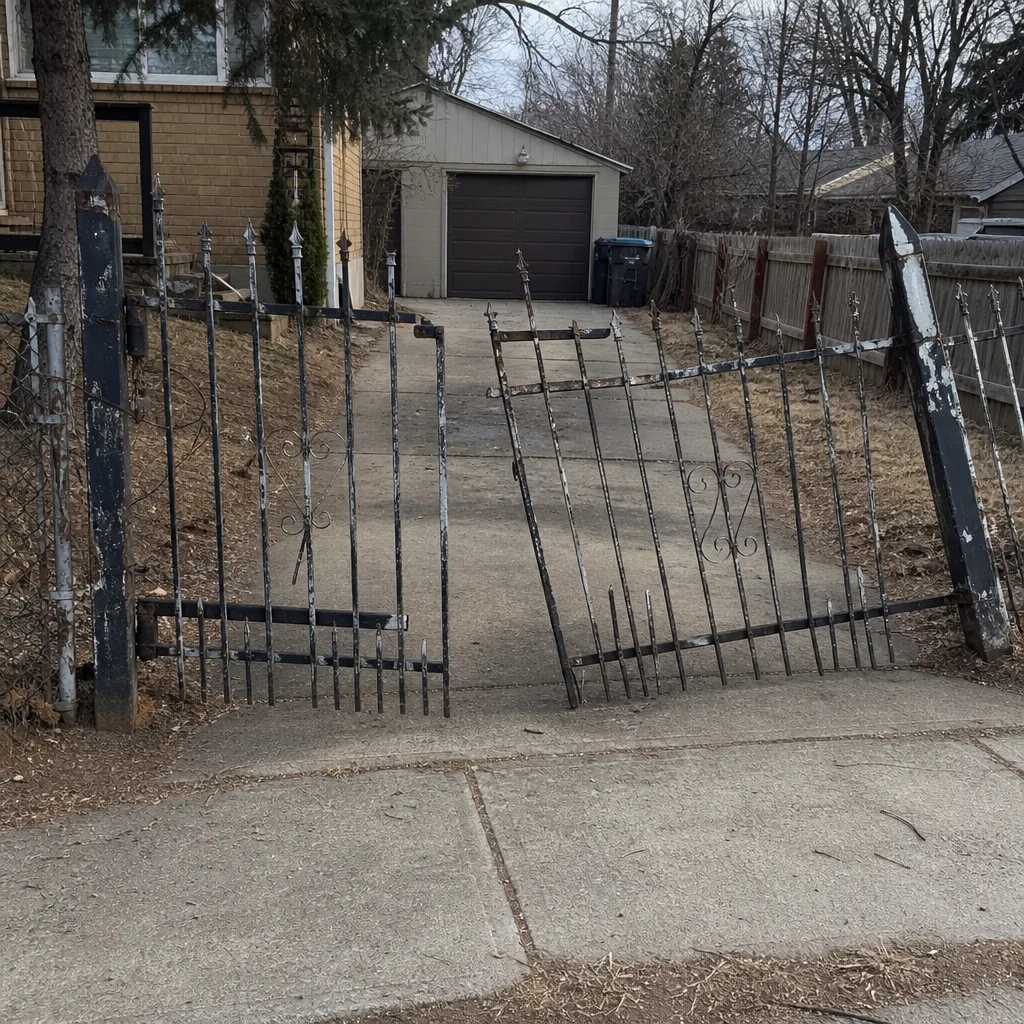 Before
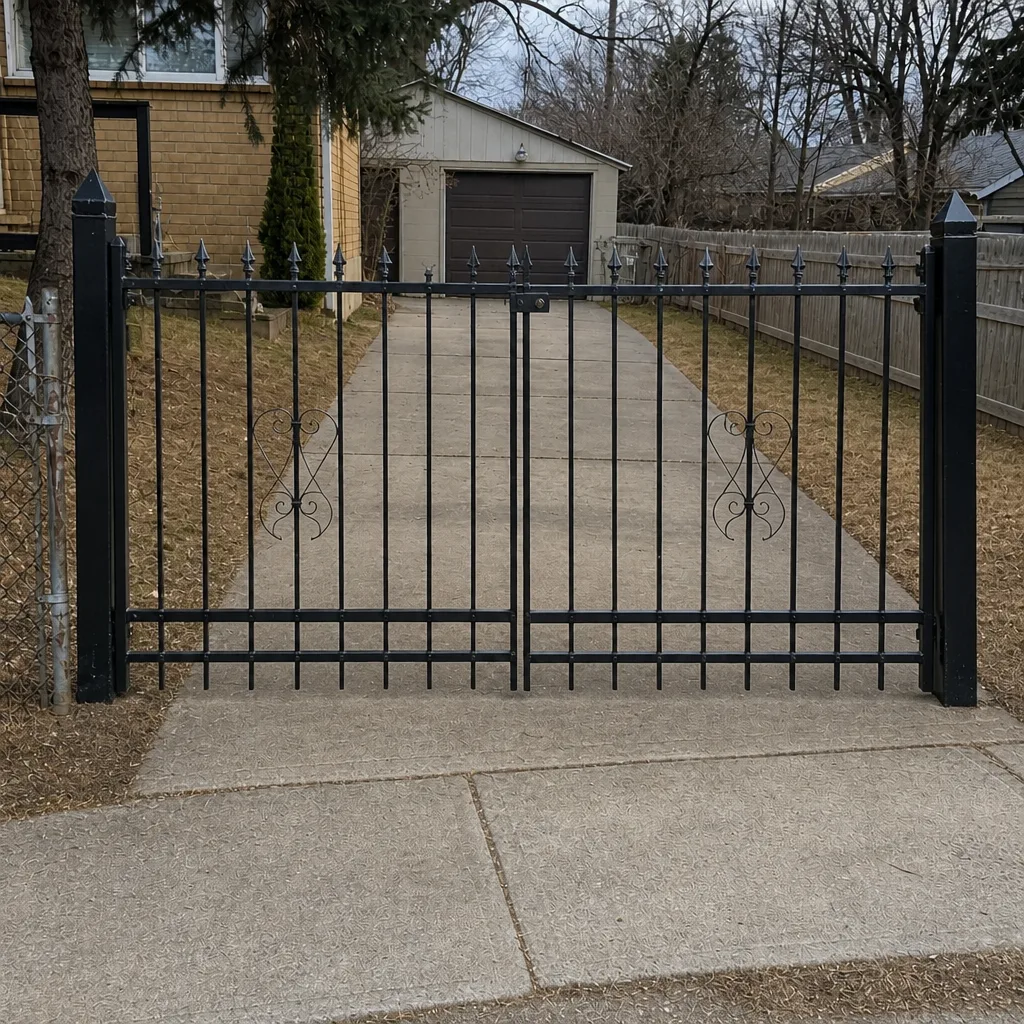 After
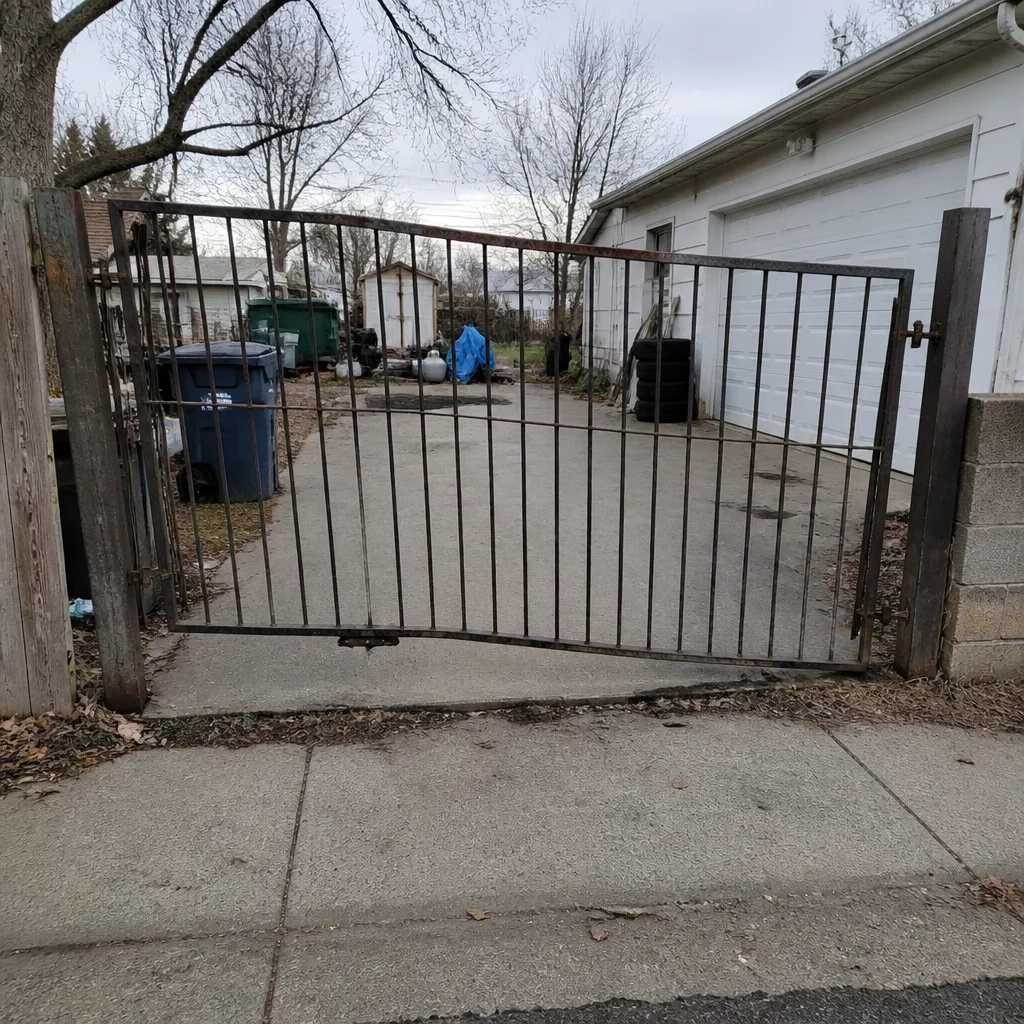 Before
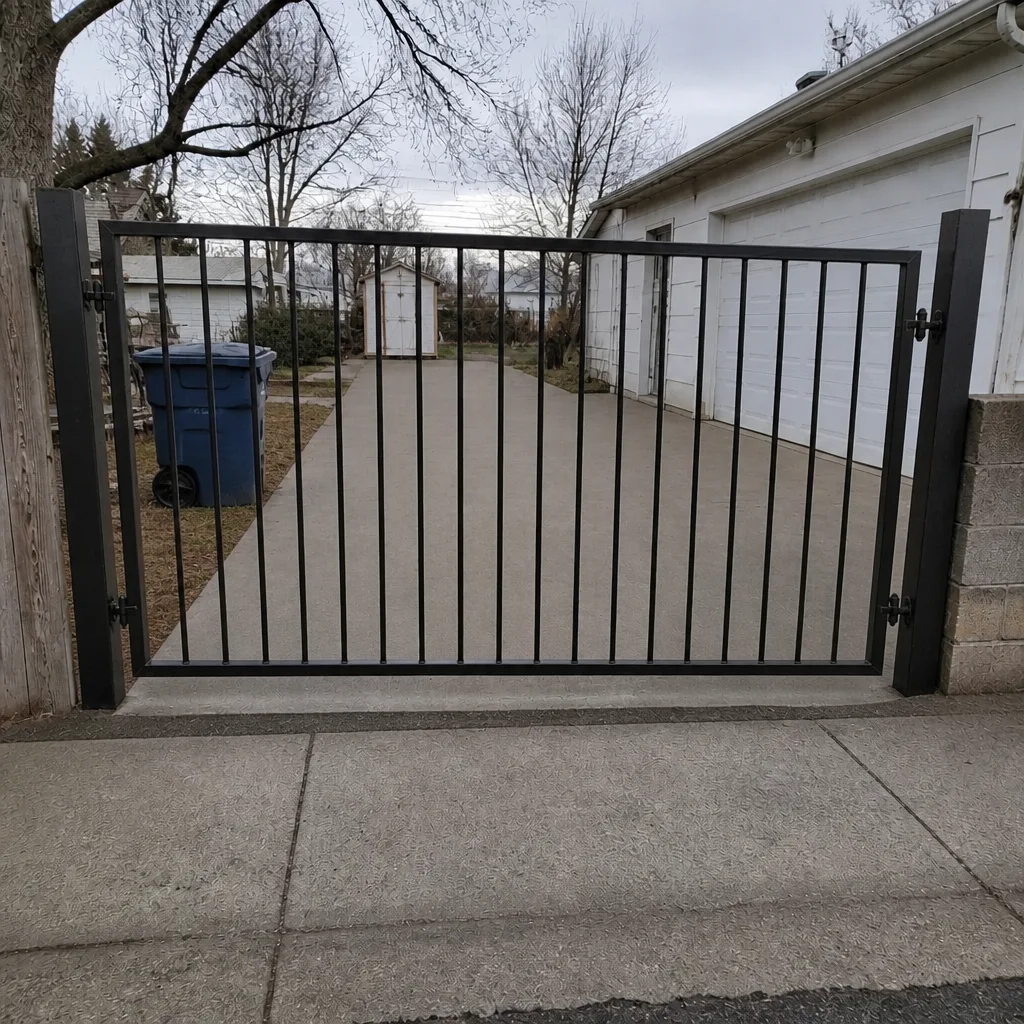 After
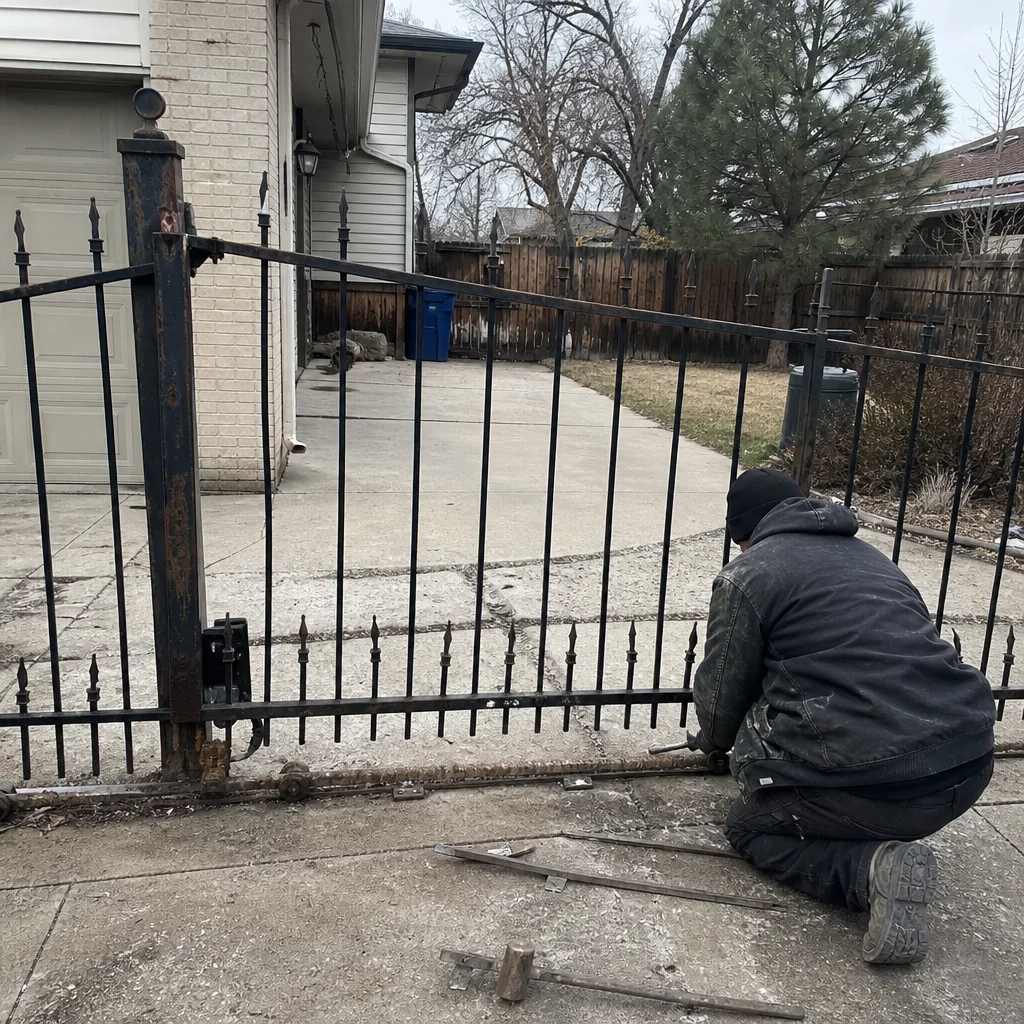 Before
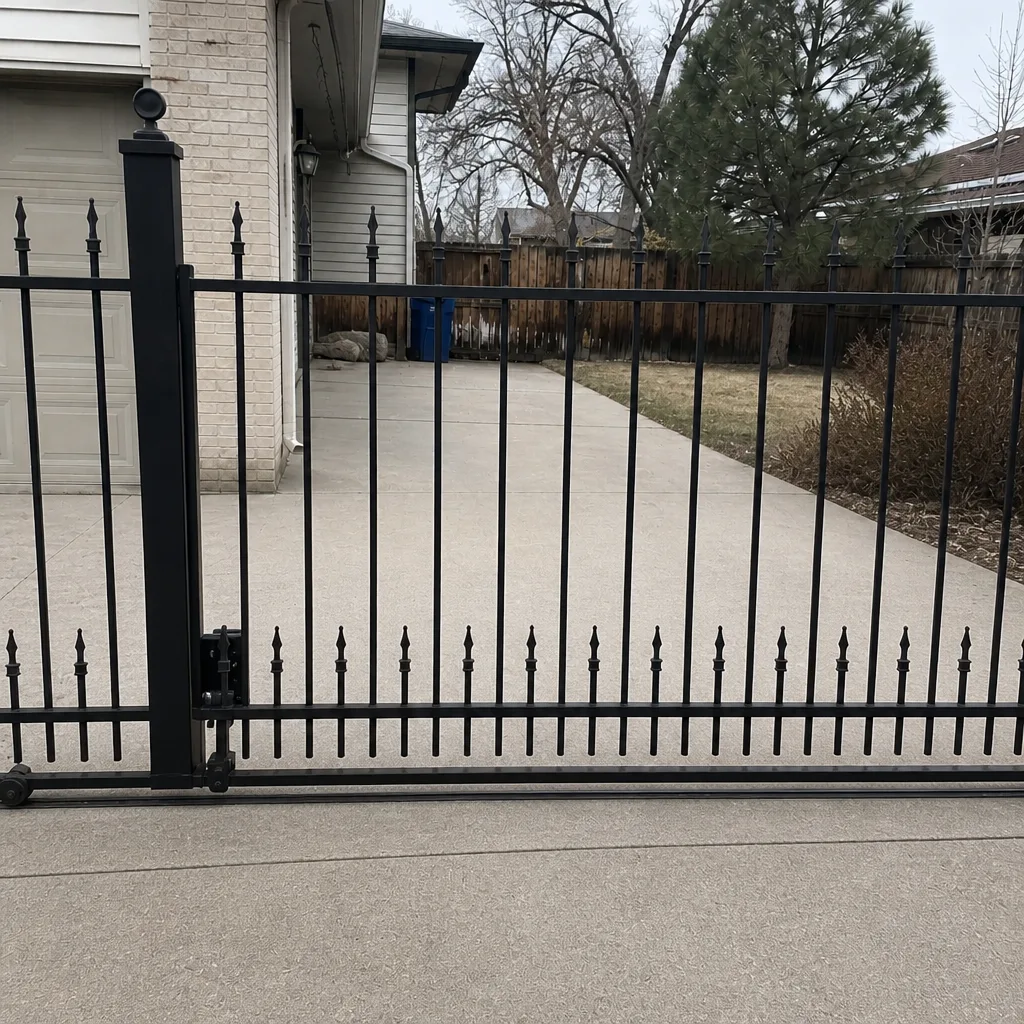 After
When to Call a Professional
Call a gate specialist when the gate won’t move even with the operator manually released, when the operator runs but the gate doesn’t move, when the control panel shows error codes you can’t resolve, or when the gate is blocking emergency egress. Call the same day when a gate is stuck open and the property is exposed, or when a gate is stuck closed on the only vehicle exit. Electrical faults at the operator, safety sensor faults that persist after realignment, and any damage from wind, hail, or a vehicle strike are all professional jobs.
Do not open the control panel or work on operator wiring yourself. Mains voltage at the panel is dangerous, and the low-voltage sensor circuits are easy to miswire in a way that defeats the safety edge. Trip the breaker, secure the gate, and call. Lakewood Gate Repair offers free estimates in Lakewood. Call (866) 330-9331. We answer 24/7. Fast dispatch from 7am to 7pm, Sunday through Friday. The written estimate sets the price, and it’s quoted and agreed before any work starts.
Frequently Asked Questions
Find the manual release on your operator housing and disengage the drive, then move the gate by hand. The mechanism depends on your gate type: swing arm operators use a lever or keyed release on the housing, linear actuators use a pin or keyed cylinder on the actuator body, and slide operators use a lever that disengages the drive pinion from the rack. If you’re not sure which you have, call (866) 330-9331 and we can usually walk you through it based on the operator brand.
Close the gate manually if the operator allows it, then secure it with a mechanical stop or a padlock. If the gate won’t stay closed, wedge a rubber chock or a concrete block at the base of the gate leaf and disconnect power to the operator if it’s behaving erratically. We answer 24/7. A call outside dispatch hours is booked into the next opening, Sunday through Friday, 7am to 7pm.
Yes, in most cases. With the manual release engaged, the gate becomes a manual gate and you can open and close it by hand. The caution is on heavy gates and on sloped driveways, where a disengaged gate can move under its own weight. Keep the release engaged, move the gate by hand with control, and schedule the repair rather than leaving the operator re-engaged in a fault state.
We work on LiftMaster, FAAC, BFT, Linear, Viking, Ghost Controls, DoorKing, Elite, and Mighty Mule operators. That covers consumer residential systems like Mighty Mule and Ghost Controls as well as professional-tier operators like FAAC, BFT, and DoorKing. Our technicians have up to 12 years of experience, and gates are the only trade we do, so we recognize the release procedure and the common faults across all nine brands.
Most often it’s the control board reset or a safety sensor that’s been knocked out of alignment. When power drops, many operators reset to a state where they’ll only move in one direction until the board re-initializes or the sensors report clear. If the gate opens fine but refuses to close, look at the safety sensor alignment first. If it still won’t close after you’ve checked the sensors, call (866) 330-9331 for an exact diagnosis.
The price is set per job by a written estimate, and the estimate is free. We can’t give a firm number over the phone because the fault determines the parts and the labor, but we can usually narrow it down once we have your operator brand, the symptom, and whether the gate is blocking access or egress. The estimate is quoted and agreed before any work starts, so there’s no surprise on the invoice. Call (866) 330-9331 for a free estimate.
The Bottom Line
A gate emergency is a positioning problem before it’s a repair problem. Get the gate into the position you need using the manual release for your operator type, secure it with a mechanical stop or a padlock, and only then call for repair. Have the operator brand, the symptom, the power status, and the access-or-egress answer ready before you dial. Save a specialist’s number now, while nothing is wrong, because the wrong time to look for it is when the gate is stuck open at night. For gate repair in Lakewood that starts with a real diagnosis, we’re here when you need us.
Written by the team at Lakewood Gate Repair.