
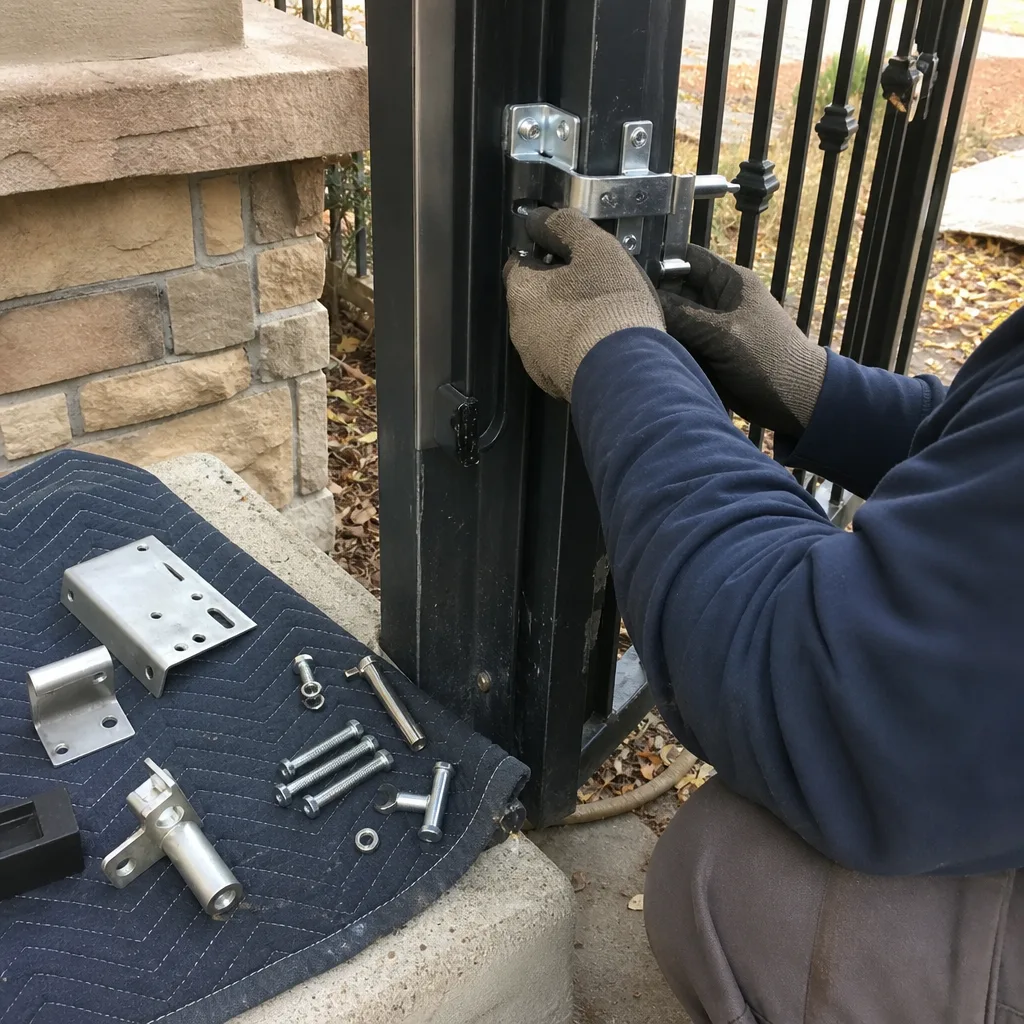
Last updated November 15, 2026
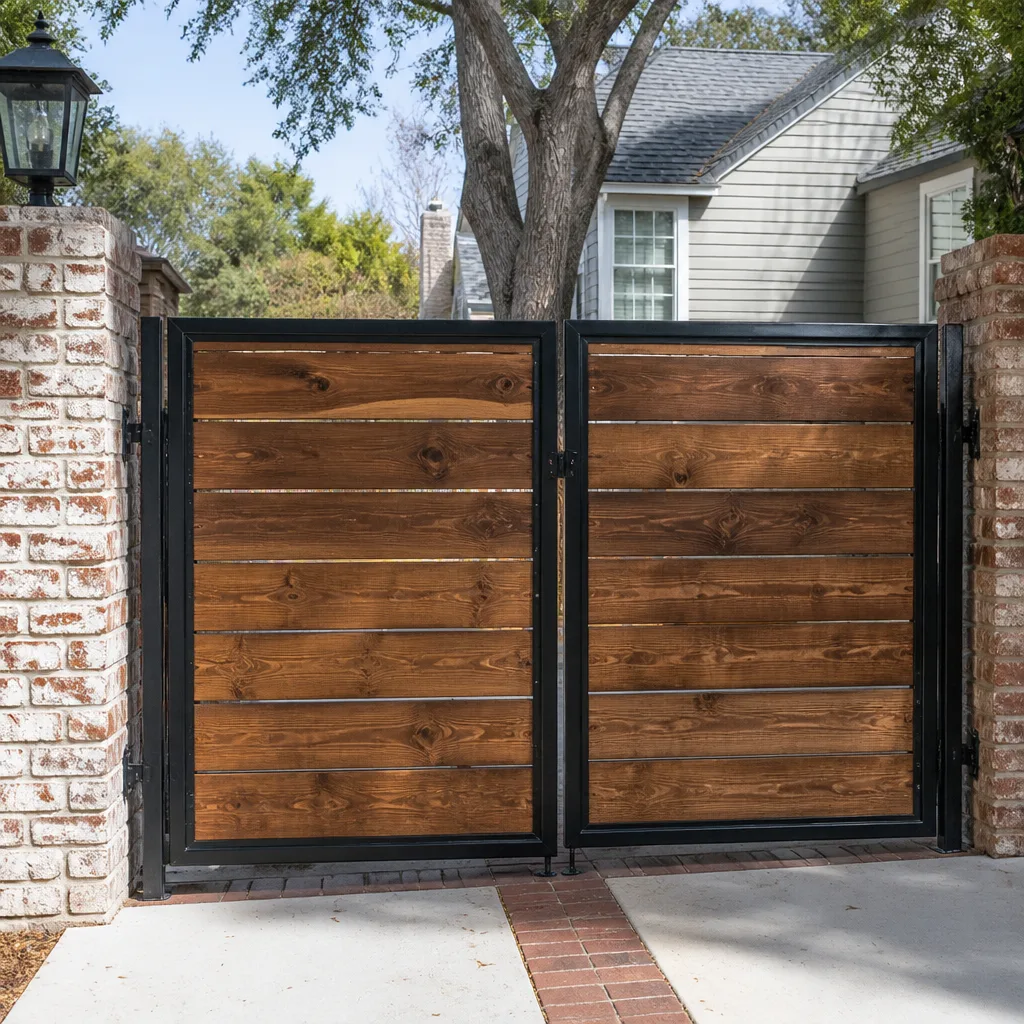 Wood & steel frame
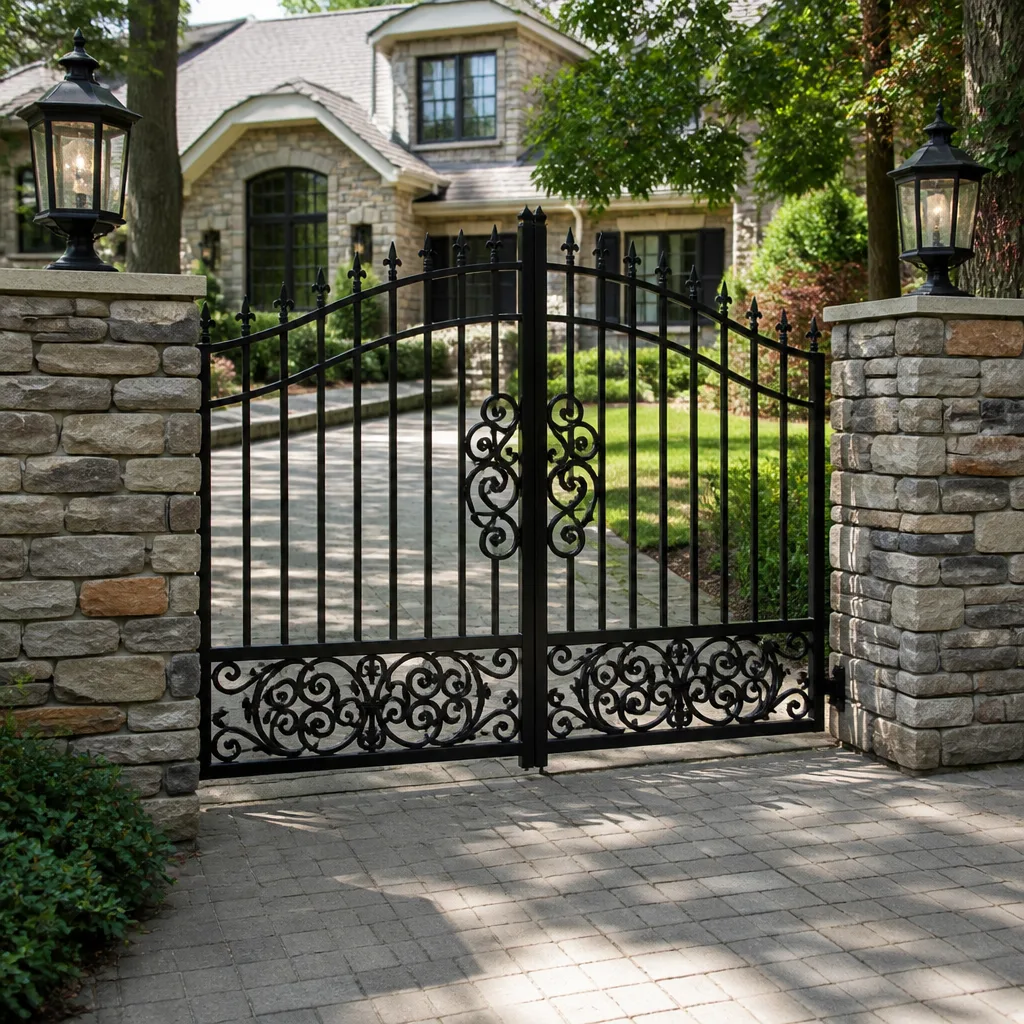 Wrought iron
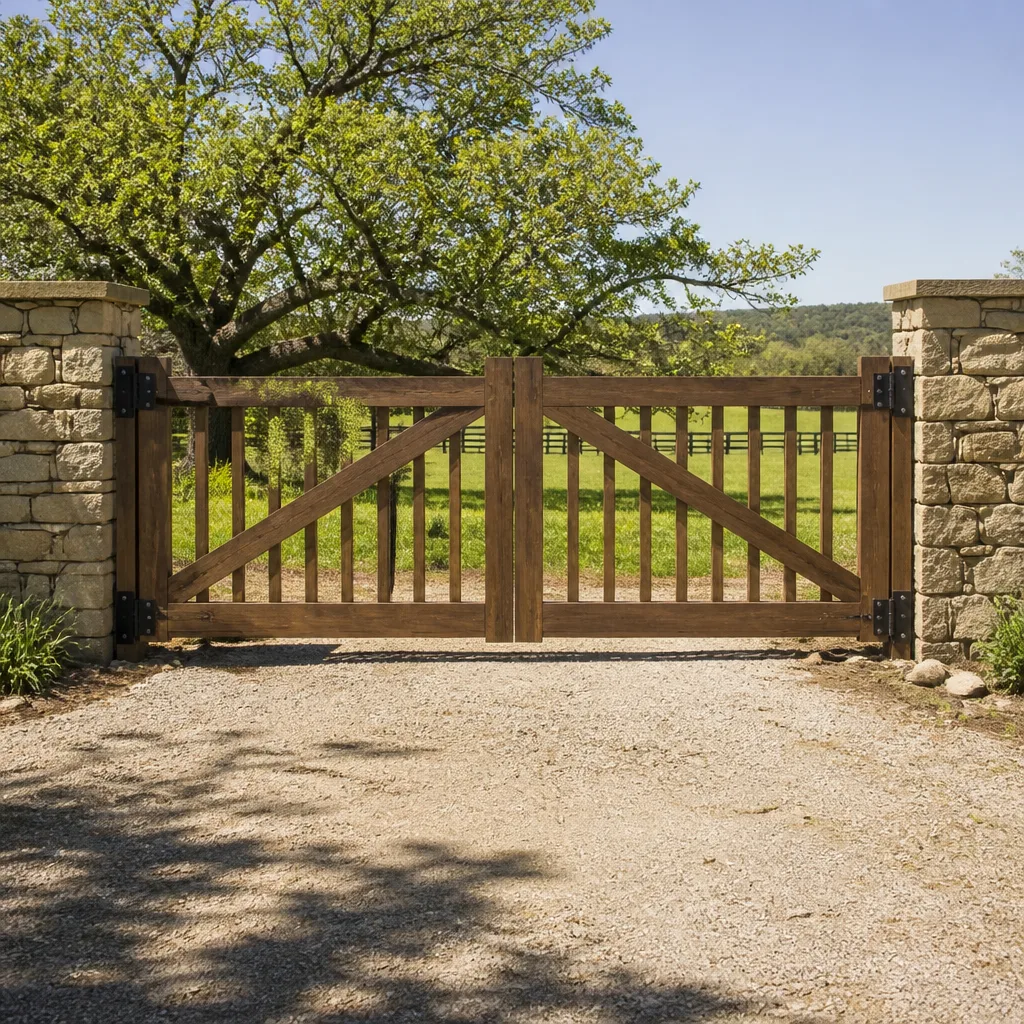 Farm & ranch
 Sliding driveway gates
 LiftMaster operators
Free on-site gate assessment - hinges, posts, and your LiftMaster or Nice gate operator checked before anything is quoted
The assessment is free and the quote is the invoice.
Get your free estimateGate Repair Cost Breakdown: The Lakewood Homeowner’s Reference for 2026
The most expensive gate repair usually isn’t a motor replacement. It’s a post re-set, which often runs $800-$2,000 depending on footing depth, and it’s also the repair most commonly missed by contractors who replace the operator instead and send you a bill for the wrong fix. That pattern repeats across Lakewood: the same job draws wildly different quotes depending on who picks up the phone, and most homeowners have no baseline to judge which number is fair. This reference gives you real 2026 price ranges for the eight most common gate repairs, explains what drives the spread within each, and shows you how to spot a padded quote before you sign. You’ll finish knowing what to expect, what to question, and when replacing beats repairing.
Quick Answer
Gate repair in Lakewood typically costs $150-$450 for common fixes like hinge replacement, arm adjustment, or keypad replacement, and $400-$1,200 for bigger jobs like operator swaps or control board replacement. Post re-sets run higher at $800-$2,000 because footing depth and concrete work drive the total. Every price is set per job by a written estimate before any work starts, and estimates are free.
Styles & brands we work with
- Wrought iron
- Wood & steel frame
- Farm & ranch
- Sliding driveway gates
- LiftMaster operators
Table of Contents
- The Eight Most Common Gate Repairs and What They Cost in Lakewood
- What Drives Cost Variation Within Each Repair Type
- How to Tell If a Quote Is Padded
- Emergency and Same-Day Pricing: What’s Justified
- Repair or Replace? The Dollar Thresholds That Decide It
- Why Your Gate’s Brand Changes the Math
- How to Evaluate Any Gate Quote in Five Steps
- Common Mistakes to Avoid
The Eight Most Common Gate Repairs and What They Cost in Lakewood
Here’s the baseline most Lakewood homeowners never get: the eight repairs below cover the majority of what we see on residential and light-commercial gates, with typical 2026 ranges for each. Treat these as estimated ranges, not quotes. Access, brand, and footing conditions move the number within each band, and the written estimate you receive sets the final price.
- Hinge replacement: $150-$350 per hinge, often done in pairs on a sagging swing gate. Worn hinges are the single most common cause of a gate that drags or won’t latch.
- Operator swap (motor replacement): $600-$1,200 for a residential swing or slide operator, including removal of the old unit. Professional-grade units like a BFT or Viking sit at the top of the range; consumer units like Ghost Controls sit lower.
- Post re-set: $800-$2,000. This involves digging out the old post, correcting the footing, and re-setting the gate post plumb. Depth and concrete volume drive the spread.
- Arm adjustment: $150-$300. Swing arm geometry drifts over time; a proper adjustment restores travel and relieves strain on the operator.
- Control board replacement: $350-$750 depending on brand. Boards are brand-specific, so a Linear board and a BFT board are different line items entirely.
- Loop detector installation: $400-$900. Vehicle loops require saw-cutting the driveway, sealing the cut, and wiring back to the operator.
- Keypad replacement: $150-$350. Straightforward on most access control systems, higher when wiring has to be traced and re-run.
- Welding and structural repair: $250-$700. Cracked frames, broken hinge mounts, and bent slide-gate tracks fall here.
If you’re weighing a repair against starting fresh, our gate repair page walks through the diagnostic side of these same jobs. The point of the table above is simple: when a quote lands far outside these bands, ask what in your specific gate justifies it. Sometimes there’s a real answer. Sometimes there isn’t.
What Drives Cost Variation Within Each Repair Type
Two gates with the same broken part can produce quotes 3-4x apart, and the reasons are usually concrete. Before you compare numbers, understand what’s actually moving them.
Materials and brand tier
Parts pricing swings widely by manufacturer. A consumer-tier operator from Mighty Mule or Ghost Controls costs a fraction of a professional-grade FAAC or DoorKing unit, and the labor to install them isn’t dramatically different. That gap alone explains much of the spread on operator swaps. When you compare quotes, compare the part spec, not just the total.
Access and site conditions
A gate at the end of a flat, open driveway is a different job from one behind landscaping, on a slope, or set in a tight side yard where equipment can’t reach. Access affects labor hours more than most homeowners expect.
Footing depth and soil
Post re-sets are the clearest example. Footing depth, the amount of concrete to remove and replace, and what the crew finds underground all change the total. A gate post set to proper footing depth in undisturbed soil is a cleaner job than one fighting roots or old rubble. This is also why post re-sets land in the $800-$2,000 band rather than a tidy flat rate.
Wiring and power
Electric gates need power at the operator and low-voltage runs to sensors, keypads, and loops. If existing wiring is sound, a board swap is quick. If it’s compromised, the job grows. This is exactly the work general handymen tend to decline, and it’s core to what we do as a dedicated electric gate repair specialist.
Gate weight and material
Heavy ornamental steel or solid wood panels need heavier hardware and more labor to handle safely than aluminum. Weight also stresses operators and hinges faster, which is why heavier gates show up in the repair queue more often.
How to Tell If a Quote Is Padded
A fair gate repair quote has a recognizable shape: parts at their real cost, labor at a reasonable hourly rate, and a clear description of what’s being done. A padded quote hides in the ratio between the two. Here’s how to read it.
- Ask for parts and labor as separate lines. A quote that’s one lump sum with no breakdown is the first warning sign. Any technician confident in the number will show the split.
- Check the parts markup. Expect parts priced at or near retail with a modest markup for sourcing. A part listed at several times its normal retail cost is the most common padding method.
- Sanity-check the labor hours. A hinge replacement is not an all-day job. A keypad swap isn’t either. If the labor hours look disconnected from the repair type in the table above, ask why.
- Watch for the wrong diagnosis. If the gate sags because a post has shifted, replacing the operator fixes nothing. The most expensive repair is the one that doesn’t solve the problem, and replacing an operator when the real issue is a post or hinge is the classic version of this.
- Look for add-ons you didn’t ask for. A quote that quietly bundles extra work into a simple repair deserves a question. Legitimate additional findings should be explained and approved separately.
- Compare against the ranges in this guide. If a quote for a standard repair sits far above the band, the burden is on the contractor to explain what’s unusual about your gate.
One more check: the price should be quoted and agreed before any work starts. If a contractor won’t commit to a written estimate up front, that tells you something about how the invoice will look at the end.
Emergency and Same-Day Pricing: What’s Justified
A gate that won’t close is a security problem, and Lakewood homeowners reasonably want it fixed quickly. Here’s the honest picture on urgent work: the price for a given repair is set per job by the written estimate, and that estimate is what you should hold any contractor to. A quote that balloons simply because you called it in as urgent is worth questioning.
Where speed genuinely costs more is in logistics, not in principle. Same-day work means reshuffling a schedule, and a repair that needs a part sourced quickly may carry real cost. What’s not justified is a vague “emergency premium” added to a repair whose parts and labor are identical to a scheduled version.
In practice, the repairs that most often need prompt attention are the ones that leave a gate stuck open or unable to latch: a snapped hinge, a failed operator, a control board that’s taken the gate offline. Those are also the jobs where a specialist’s diagnosis saves money, because the wrong fix costs more than the right one done fast. Our technicians have up to 12 years of experience across gate systems, and electric gate repair is a first-class part of the service, not a referral out.
If your gate fails, call (866) 330-9331. We answer 24/7. Fast dispatch from 7am to 7pm, Sunday through Friday. A call outside dispatch hours is booked into the next opening, Sunday through Friday, 7am to 7pm. Estimates are free, and the written estimate sets the price before any work begins.
Repair or Replace? The Dollar Thresholds That Decide It
The repair-versus-replace call comes down to arithmetic, not sentiment. Use the thresholds below as a starting framework, then let a written estimate confirm it.
- Single repair under 30% of replacement cost: repair. A hinge set, keypad, or arm adjustment on an otherwise sound gate is almost always worth fixing.
- Single repair between 30% and 50% of replacement cost: repair if the gate structure and operator are both in reasonable shape; replace if either is near end of life.
- Repair exceeding 50% of replacement cost: lean toward replacement, especially if a second repair is already likely in the near term.
- Post re-set on a structurally sound gate: repair. A re-set restores a gate that’s otherwise fine, and replacement doesn’t avoid the footing work anyway.
- Control board failure on an operator more than a decade into service with a second failure behind it: replacement usually makes better financial sense than a third board.
- Repeated operator failures after two or three repairs in a short window: the operator is telling you something. Replacement stops the cycle.
Aging isn’t disqualifying on its own. A well-built gate with good hardware can outlast several operators, and a post re-set can buy years. The trap is spending replacement-level money across several repairs on a gate that’s structurally failing. If you’re unsure which side of the line you’re on, ask for the comparison in writing.
Why Your Gate’s Brand Changes the Math
Brand recognition isn’t a marketing point on a cost page; it’s a labor-hours issue. A technician who knows your specific operator finds the fault faster, carries the right diagnostic approach, and doesn’t guess at wiring. That translates directly into a smaller invoice.
We work across nine major gate system brands, from consumer-tier systems like Mighty Mule and Ghost Controls through professional-grade units like FAAC, BFT, DoorKing, LiftMaster, Linear, Viking, and Elite. The practical difference shows up in how repairs get priced:
- Consumer systems (Mighty Mule, Ghost Controls): parts are widely available and lower cost, so operator swaps and board replacements sit at the lower end of the ranges above. The trade-off is that some of these systems need more frequent attention.
- Professional systems (FAAC, BFT, DoorKing): parts cost more and boards are brand-specific, pushing control board and operator work toward the top of the band. In exchange, these systems are built for heavier duty and longer service.
- Mixed or older systems: the hardest quotes to predict. A Linear operator on a gate that’s been modified over the years can hide wiring issues that only show up on site.
When a contractor doesn’t recognize your brand, they’re learning on your time, and that cost usually shows up somewhere in the quote. Our single-trade focus means every job is a gate job, which builds the pattern recognition that keeps diagnosis quick. If you’re comparing contractors, ask each one directly what they know about your specific operator. The answer tells you a lot.
How to Evaluate Any Gate Quote in Five Steps
You don’t need trade knowledge to judge a quote fairly. You need a consistent process. Run every estimate through these five steps before you commit.
- Confirm the diagnosis in plain language. Ask what’s actually broken and how the technician confirmed it. A post that’s shifted and an operator that’s failed can produce the same symptom (a gate that drags or won’t close), and the fix is completely different.
- Get parts and labor as separate line items. This is the single most useful request you can make. It lets you apply the ratio check above and compare quotes on equal footing.
- Match the repair to the range in this guide. If the quote is inside the band, that’s a good sign. If it’s outside, ask specifically what about your gate justifies the difference.
- Ask about the brand and part spec. Which operator or board is going in, and is it the same tier as what came out? A cheaper replacement part can lower the quote while raising the odds of a repeat repair.
- Get the price in writing before work starts. The written estimate should state the scope, the parts, the labor, and the total. That document is what protects you from an invoice bigger than the quote.
For context on what a proper on-site estimate looks like for gates in this area, our Lakewood page covers how we approach it, and starting at Lakewood Gate Repair gives you the full service picture. A free estimate should always include a real diagnosis, not just a number.
Common Mistakes to Avoid
- Accepting a lump-sum quote with no breakdown. Without parts and labor split out, you have no way to see whether the number is fair. Ask for the split before you agree to anything.
- Letting a contractor replace the operator when the post has shifted. This is the most expensive mistake on the list, and it’s common. A gate that drags or won’t latch often has a structural cause, and a new motor won’t fix it.
- Choosing the lowest bid without checking the part spec. A cheaper quote sometimes means a lower-tier replacement part that fails sooner. Compare what’s being installed, not just the total.
- Skipping the diagnosis to save a visit. A free on-site estimate is the cheapest part of the whole process. Guessing at the problem and ordering parts yourself usually costs more.
- Ignoring wiring on an electric gate. Compromised wiring at the operator or sensors is a real hazard and often the hidden cause of intermittent faults. This is work for a trained technician, not a weekend project.
- Putting off a post repair until the gate fails completely. A post that’s slowly shifting stresses the operator and hinges every time the gate moves, and the secondary damage adds to the eventual bill.
- Assuming any handyman can handle a gate. Electric gates involve motors, control boards, sensors, and power runs that general handymen typically decline. A specialist diagnosis up front usually saves money over a wrong fix.
See the difference
 Before
 After
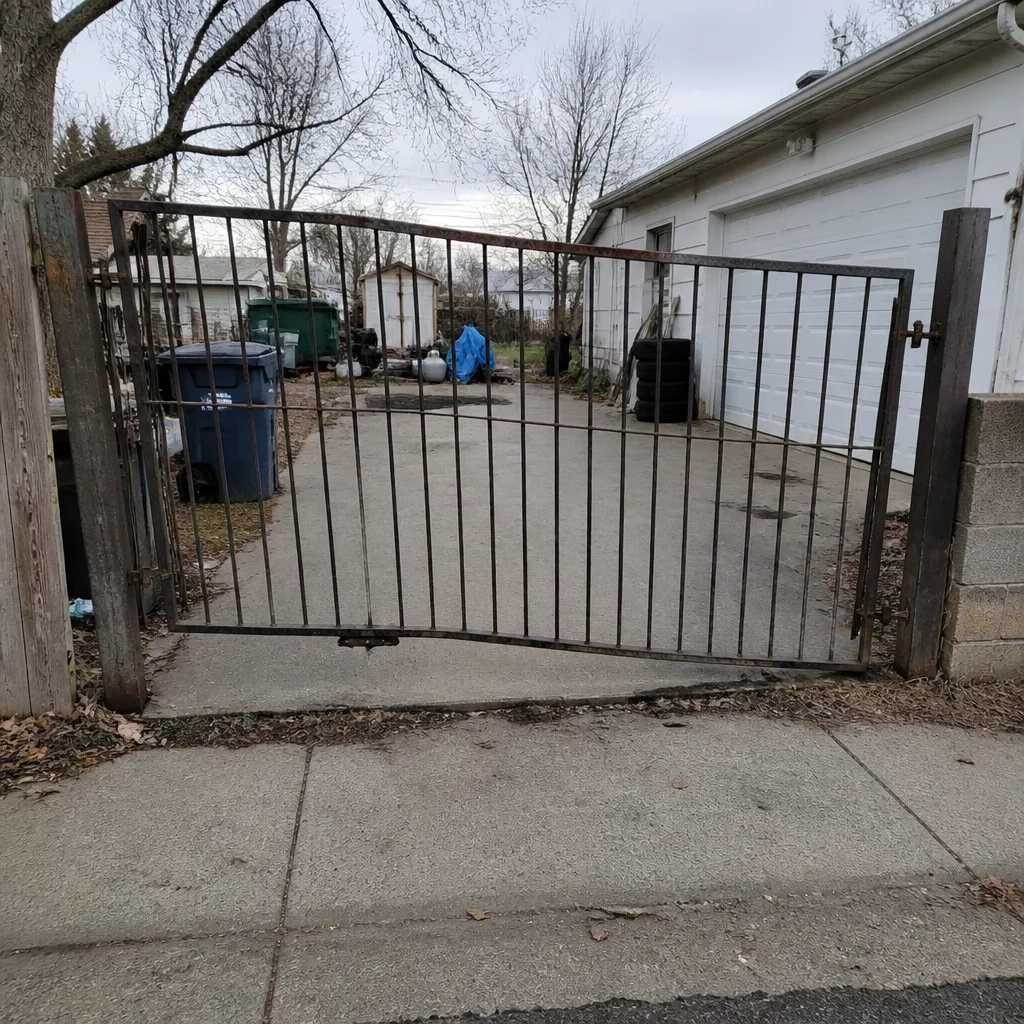 Before
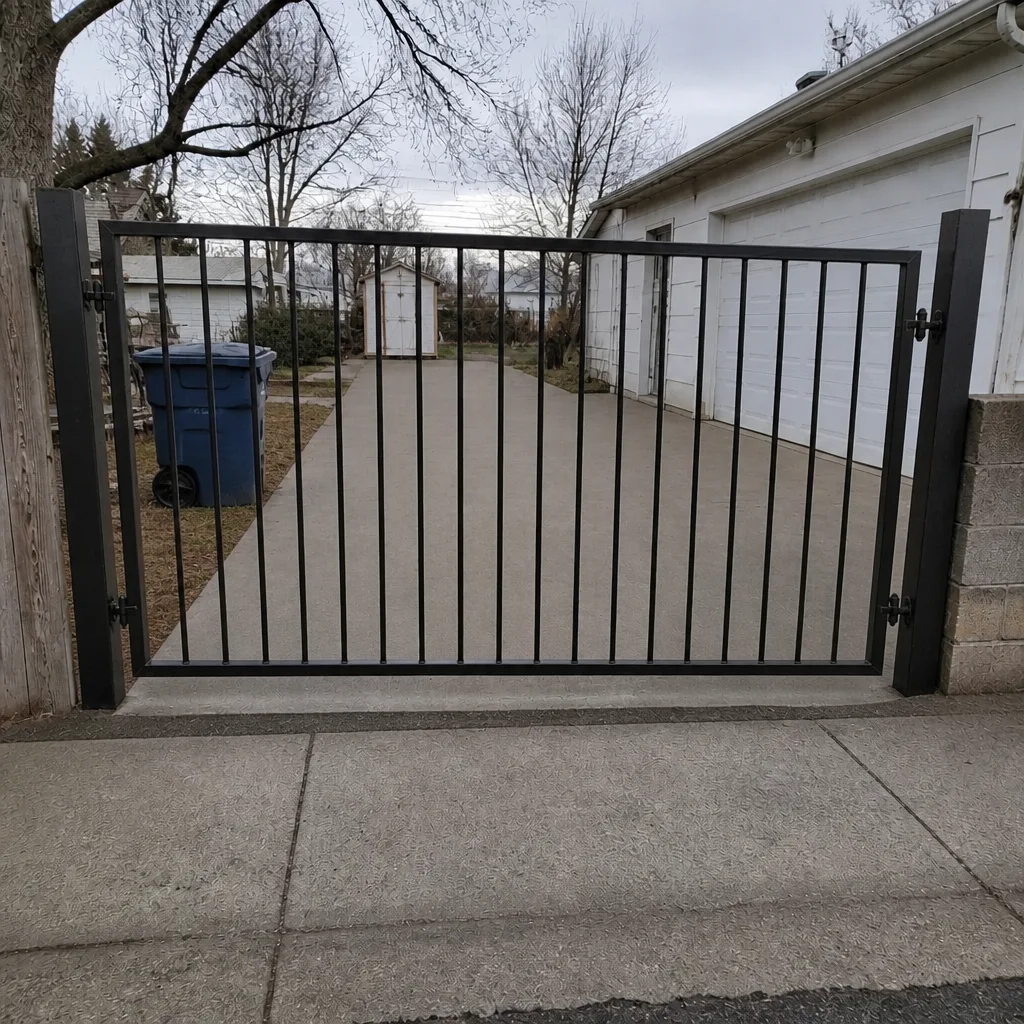 After
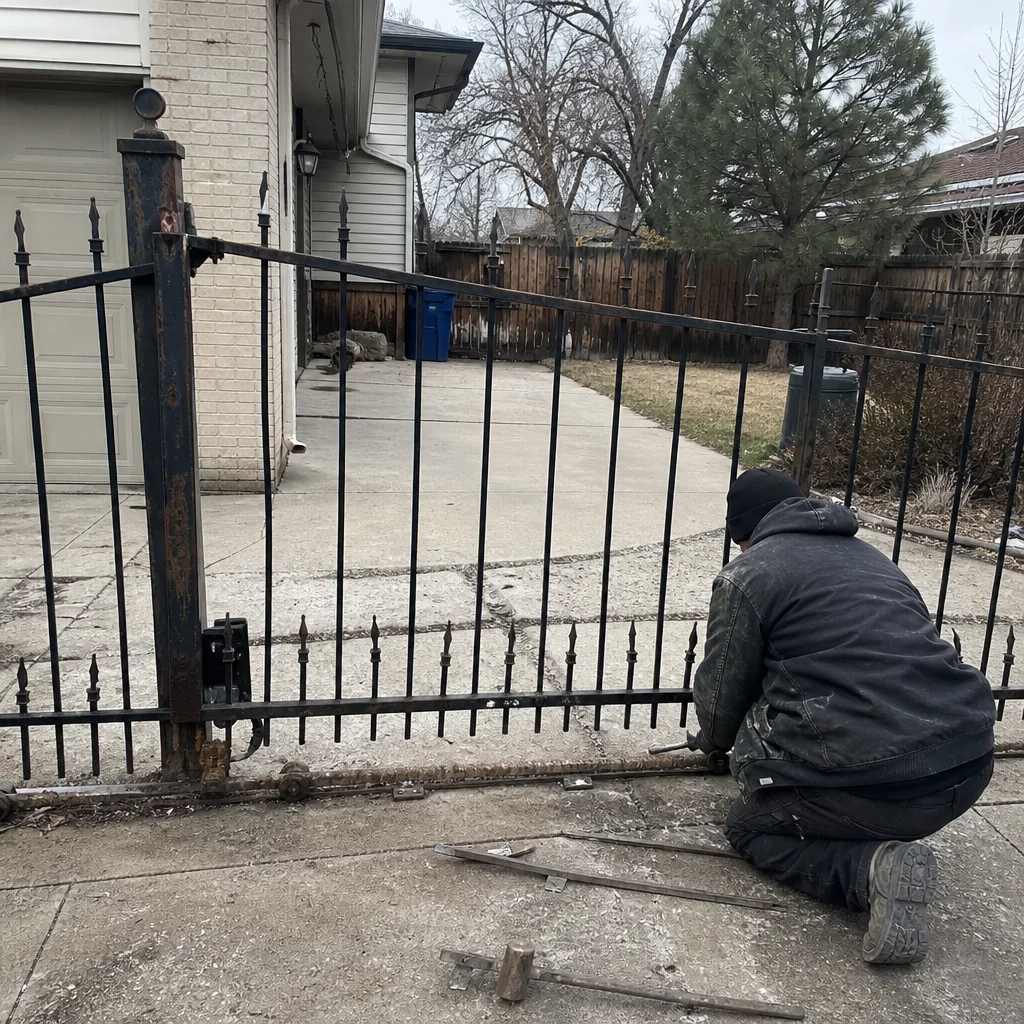 Before
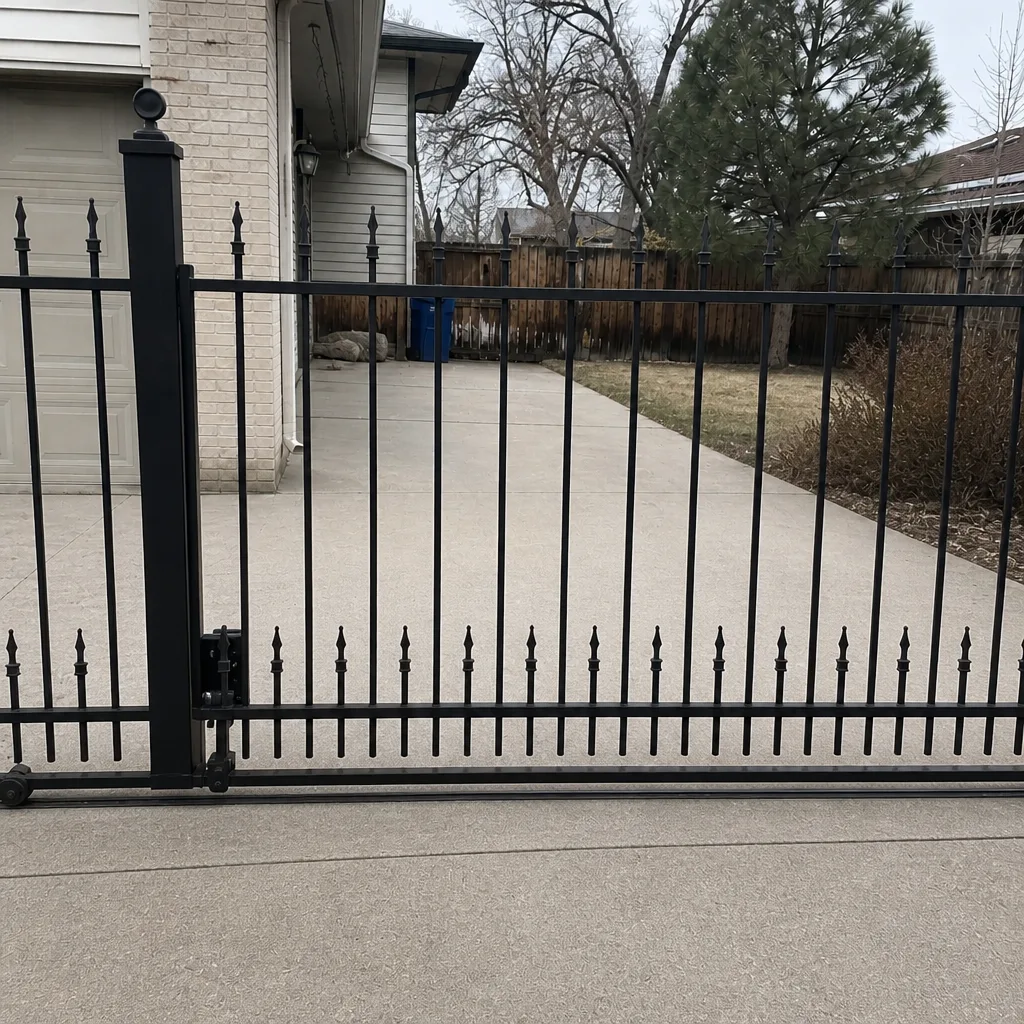 After
When to Call a Professional
Some gate issues are genuinely dangerous, and others just get expensive when ignored. Call a professional when a gate post has shifted or the gate no longer hangs plumb, when an electric gate stops responding to remotes or keypads, when a control board has failed, or when you see damaged wiring at the operator or sensors. Heavy gate panels that can crush, slide gates that come off the track, and anything involving power at the operator all belong with a trained technician, not a DIY attempt. If a quote you’ve received seems off, a second written estimate is a reasonable step. Our electric gate repair and gate repair services cover the full range from motor to hinge. Lakewood Gate Repair offers free estimates in Lakewood. Call (866) 330-9331.
Frequently Asked Questions
Most common gate repairs in Lakewood run $150-$450, while larger jobs like operator swaps and control board replacement typically cost $400-$1,200, and post re-sets run $800-$2,000. The written estimate sets the final price before any work starts. Call (866) 330-9331 for an exact quote. Estimates are free.
Quotes vary because of parts tier, access, footing depth, and whether the diagnosis is correct. A contractor replacing an operator when the real problem is a shifted post will quote a different job entirely. Ask for parts and labor split out so you can compare fairly. Call (866) 330-9331 and we’ll walk you through what your gate actually needs.
We answer 24/7, and fast dispatch runs from 7am to 7pm, Sunday through Friday. A call outside dispatch hours is booked into the next opening. Because the price is set per job by the written estimate, you’ll know the cost before we start. Call (866) 330-9331.
Often, yes. Post re-sets typically run $800-$2,000 because they involve digging out the old post, correcting the footing, and re-setting it plumb, while a residential operator swap usually lands at $600-$1,200. The re-set is also the repair most often missed. Call (866) 330-9331 for a free estimate.
We work across nine major brands, including BFT, Linear, Viking, Ghost Controls, LiftMaster, FAAC, DoorKing, Elite, and Mighty Mule, covering both consumer and professional-grade systems. Our technicians have up to 12 years of experience. Call (866) 330-9331 and tell us what’s on your gate.
Repair when the fix costs under about 30% of replacement, and lean toward replacement when it passes 50%, especially if a second repair is likely soon. A post re-set on a structurally sound gate is almost always worth doing. Call (866) 330-9331 for a written comparison.
The Bottom Line
Gate repair pricing in Lakewood is wider than it should be, and the gap usually comes down to diagnosis and parts tier rather than the repair itself. Keep the eight ranges from this guide in front of you: $150-$450 for common fixes, $400-$1,200 for operator and board work, $800-$2,000 for post re-sets. Ask for parts and labor split out. Question any quote far outside the band. And remember that the wrong fix is always the most expensive one. A free written estimate, agreed before work starts, is your best protection. Call (866) 330-9331. We answer 24/7. Fast dispatch from 7am to 7pm, Sunday through Friday.
Written by the team at Lakewood Gate Repair.